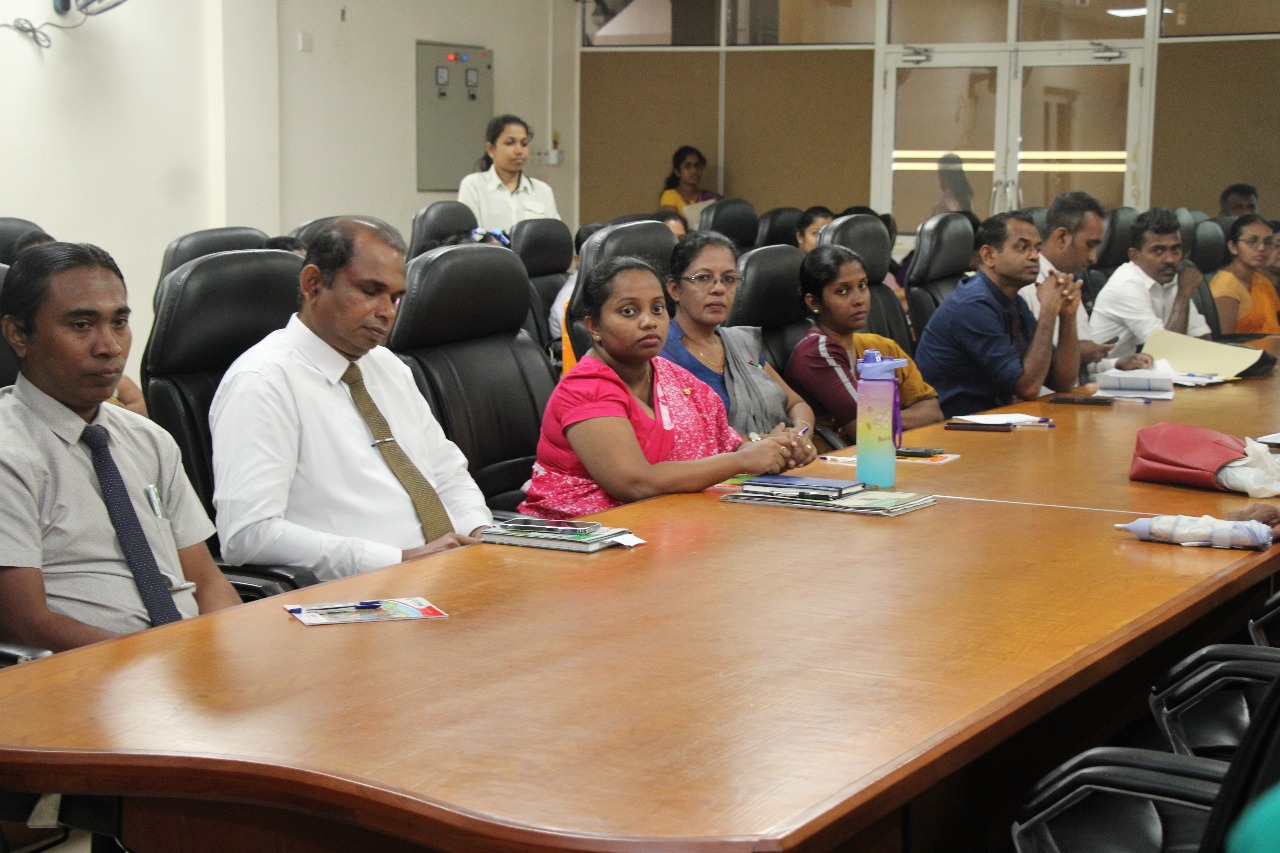
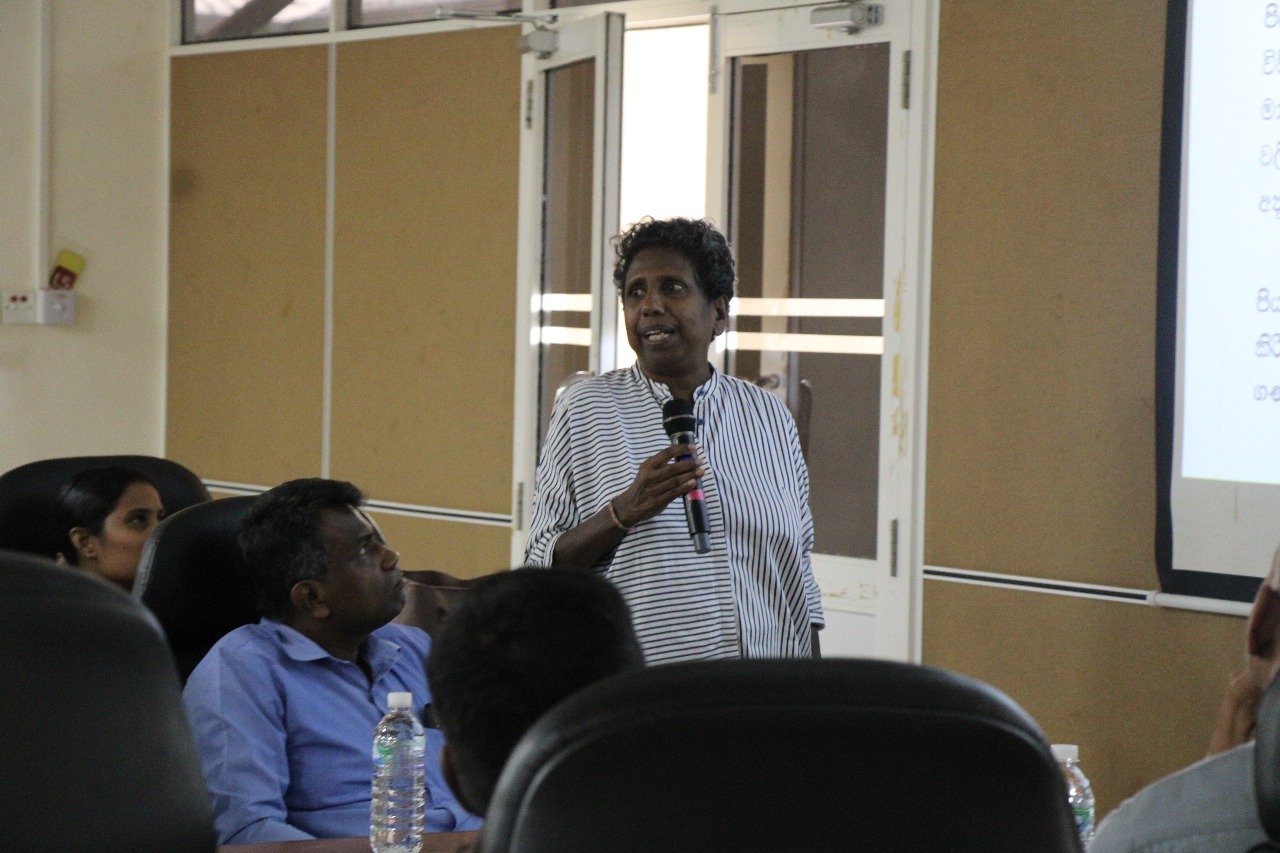
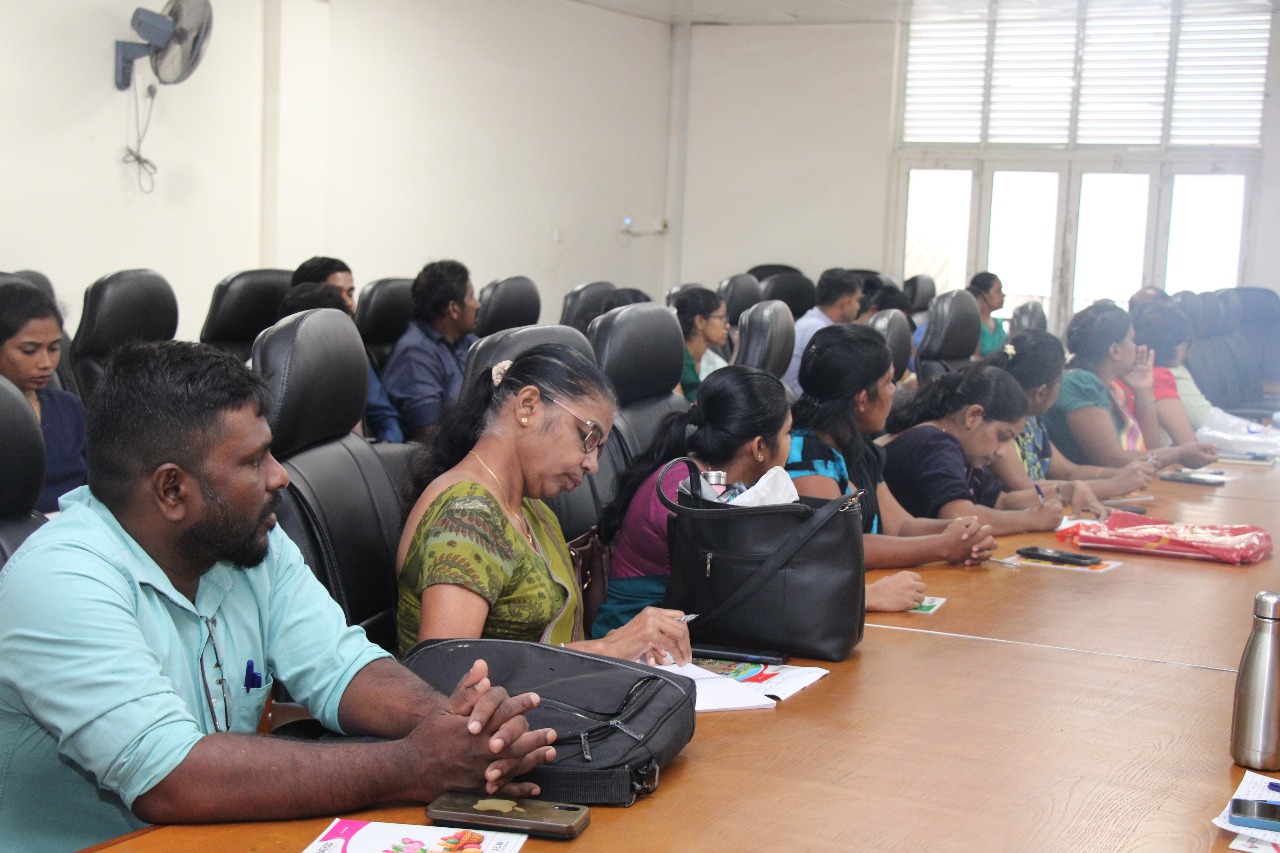
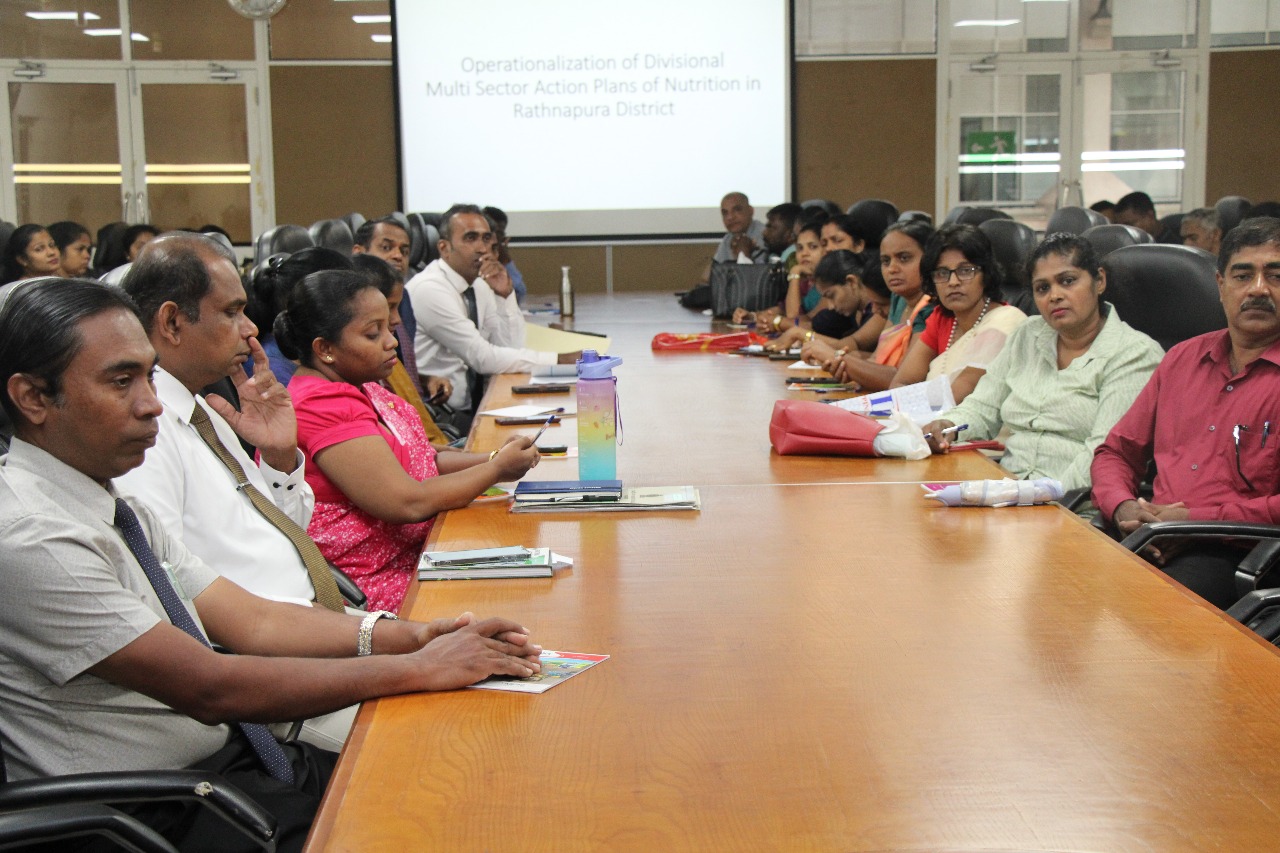
Meeting Highlights – Divisional Stakeholder Capacity Building Programme (MSAPN)
District: Rathnapura
Date: 25 November 2025
Overview
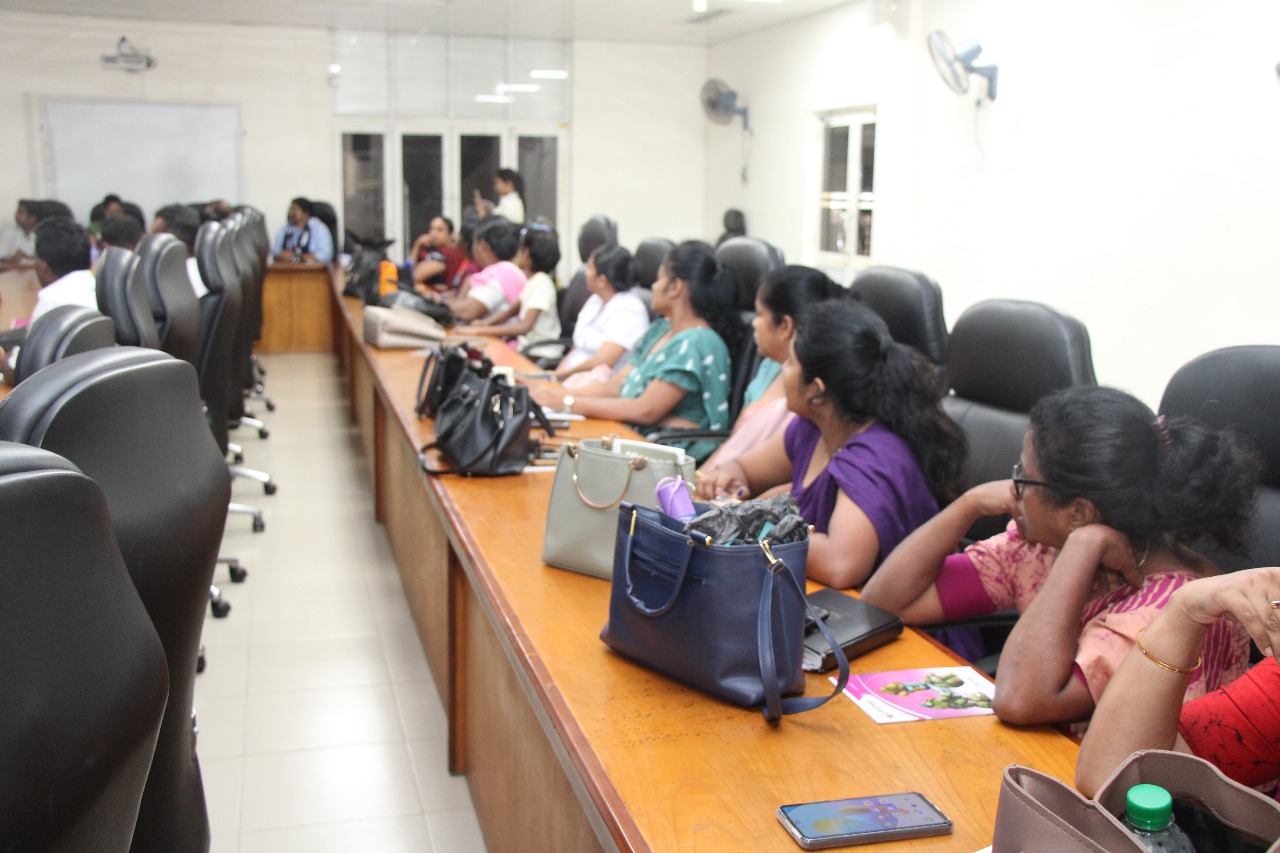
A Divisional Stakeholder Capacity Building Programme was conducted in Rathnapura District to strengthen divisional-level understanding and operationalization of the Multi-Sectoral Action Plan for Nutrition (MSAPN), with a specific focus on Nutritionally At-Risk (NAR) households. The session aimed to align divisional actions with MSAPN priorities and prepare coordinated action plans for January–March 2026.
Key Objectives
Enhance divisional-level understanding of MSAPN implementation
Review and validate NAR household lists
Identify priority nutrition-sensitive actions for the first quarter of 2026
Strengthen coordination and financing at divisional level
Key Sessions
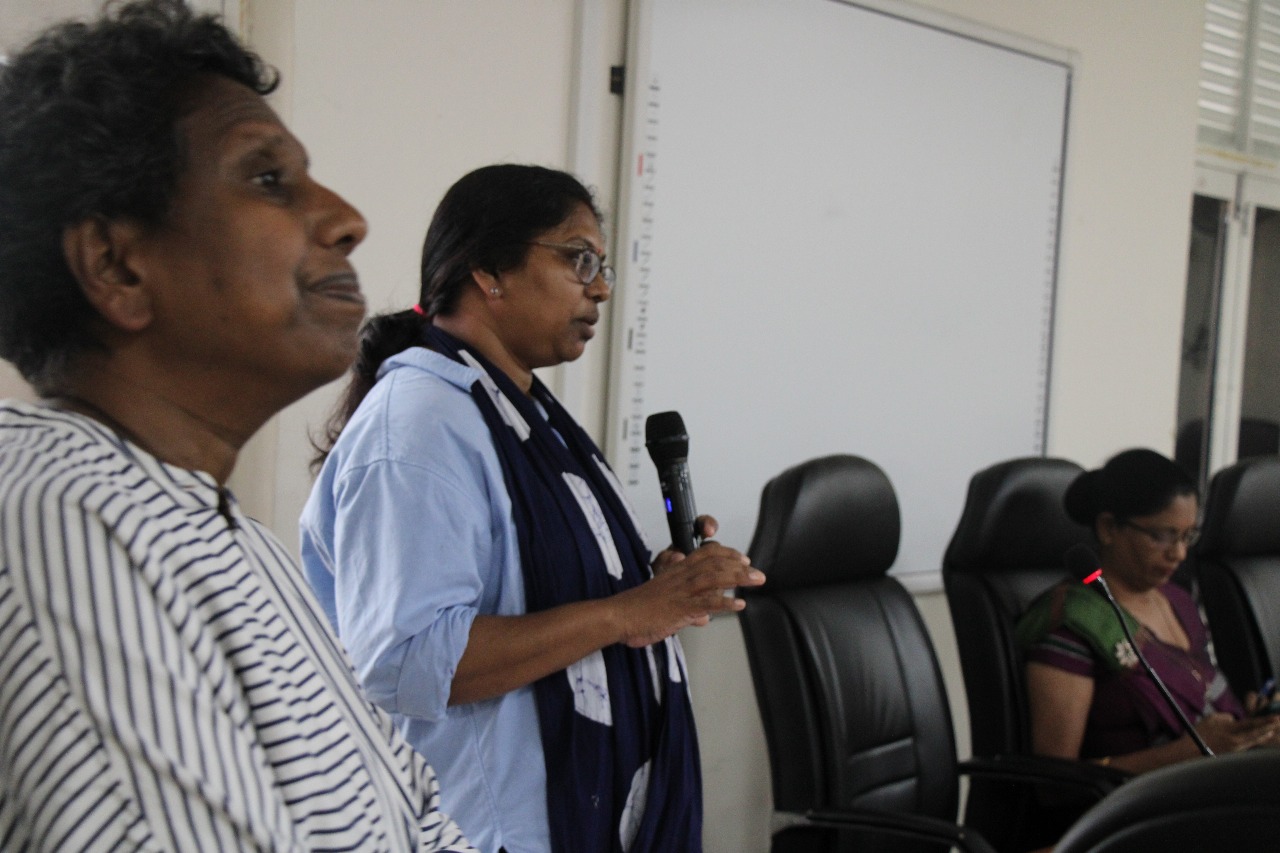
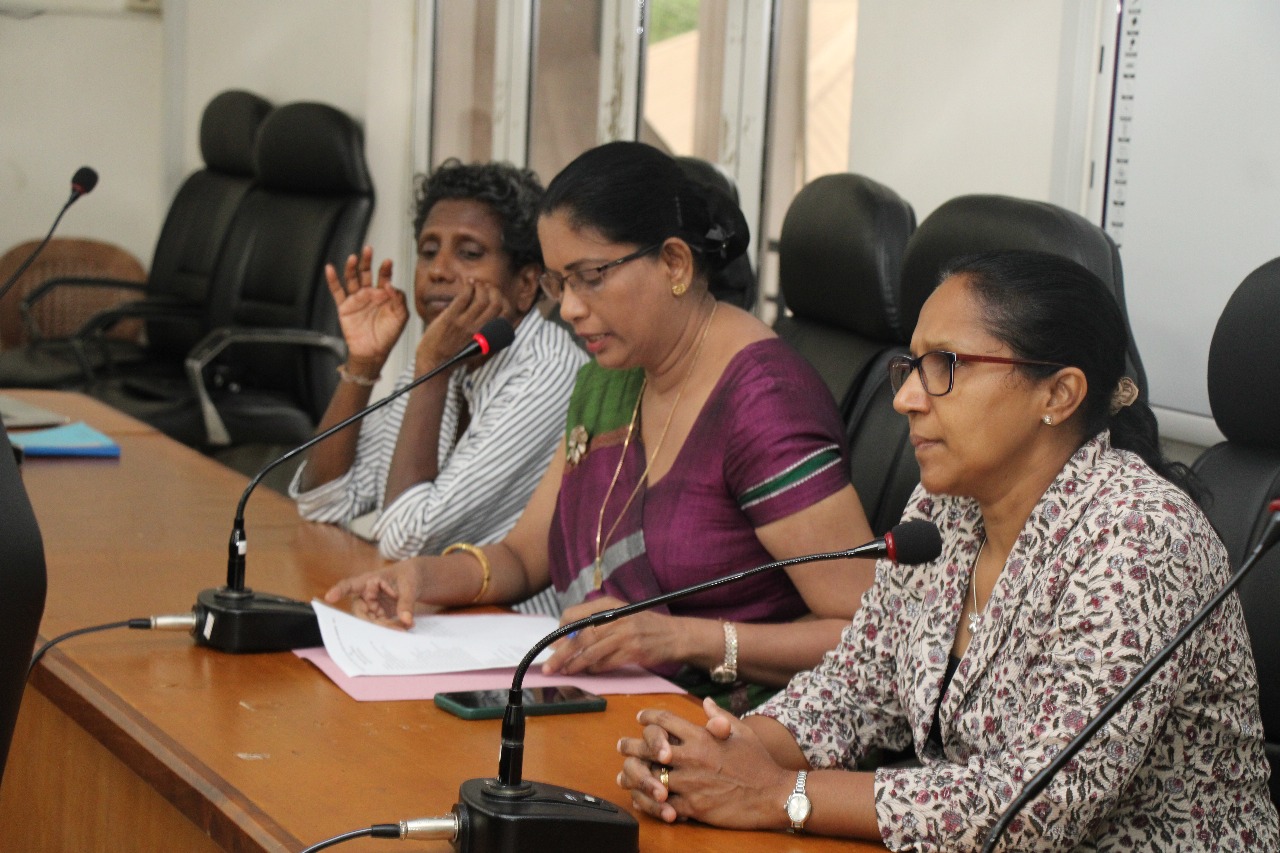
Opening & Purpose: The meeting commenced with a welcome note and an overview of objectives, emphasizing divisional ownership in operationalizing MSAPN for NAR households.
Operational Guide: A step-by-step explanation of MSAPN implementation was presented, covering core principles, coordination mechanisms, priority-setting, financing, and monitoring.
Nutrition Financing: Guidance was provided on mapping available sectoral budgets and identifying financing sources for nutrition-sensitive interventions.
Group Work & Key Findings
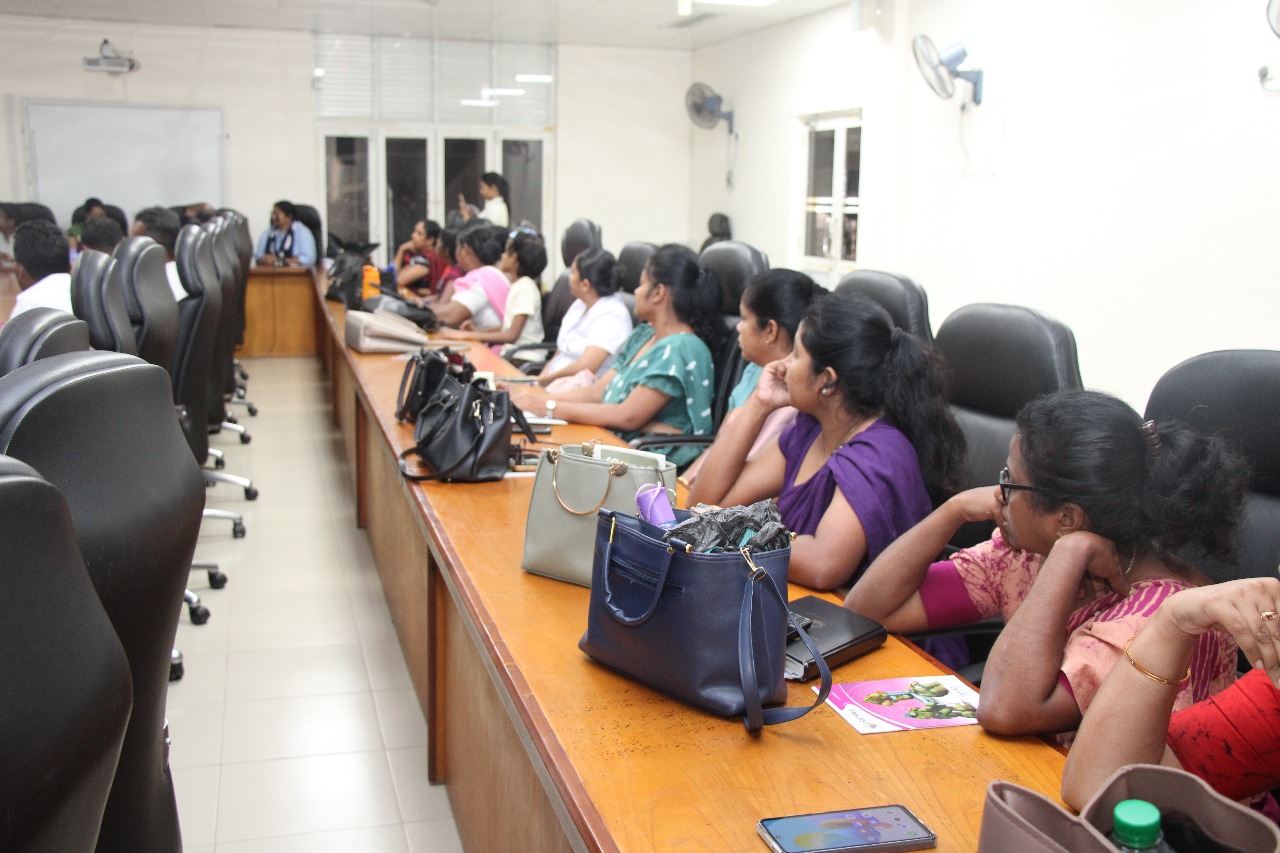
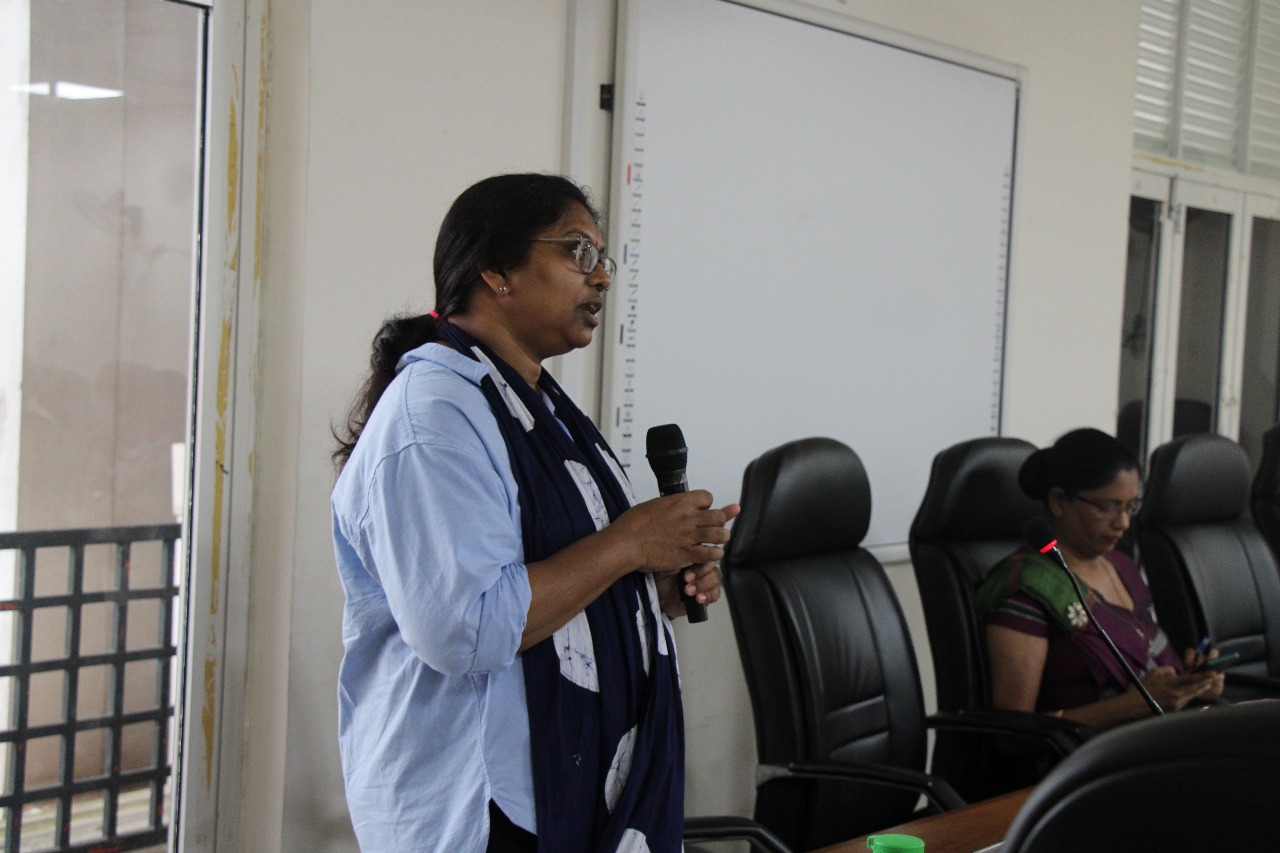
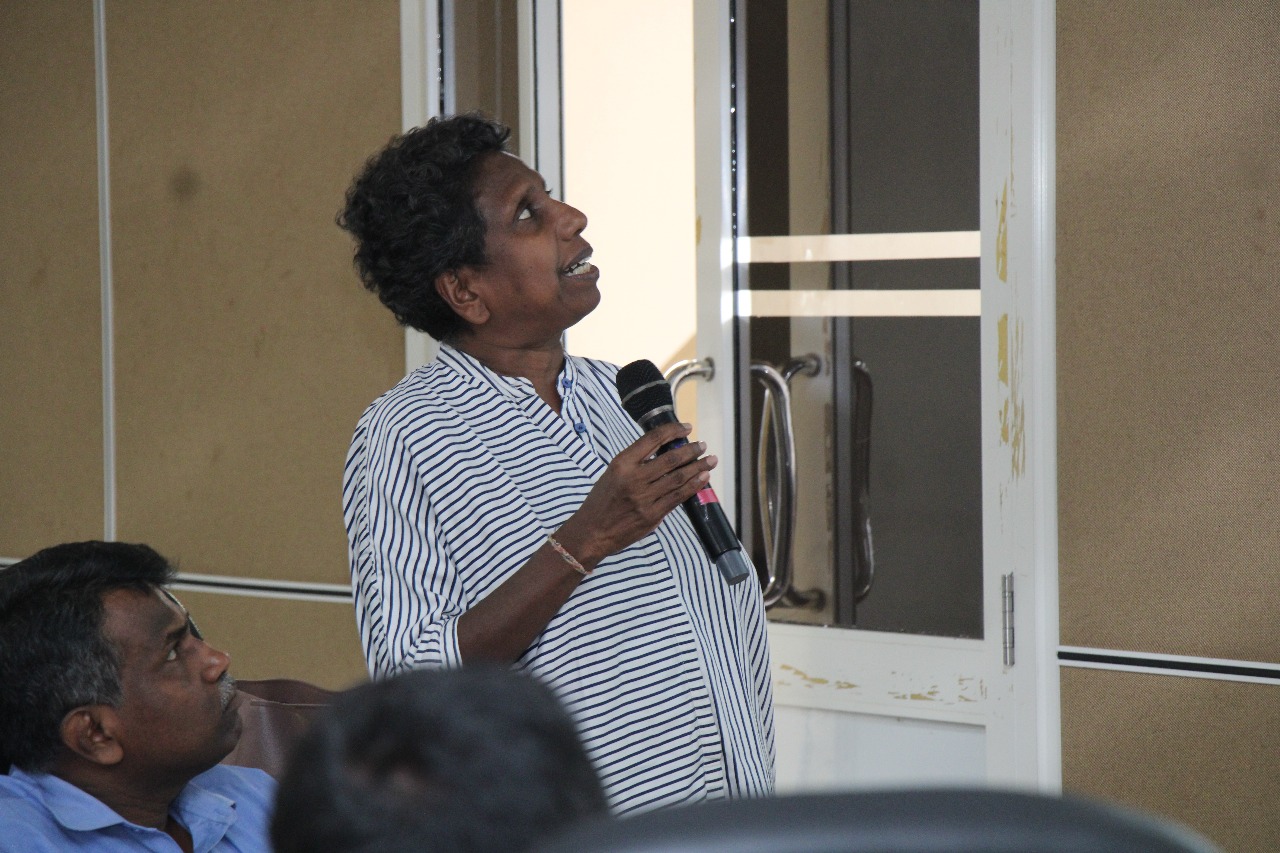
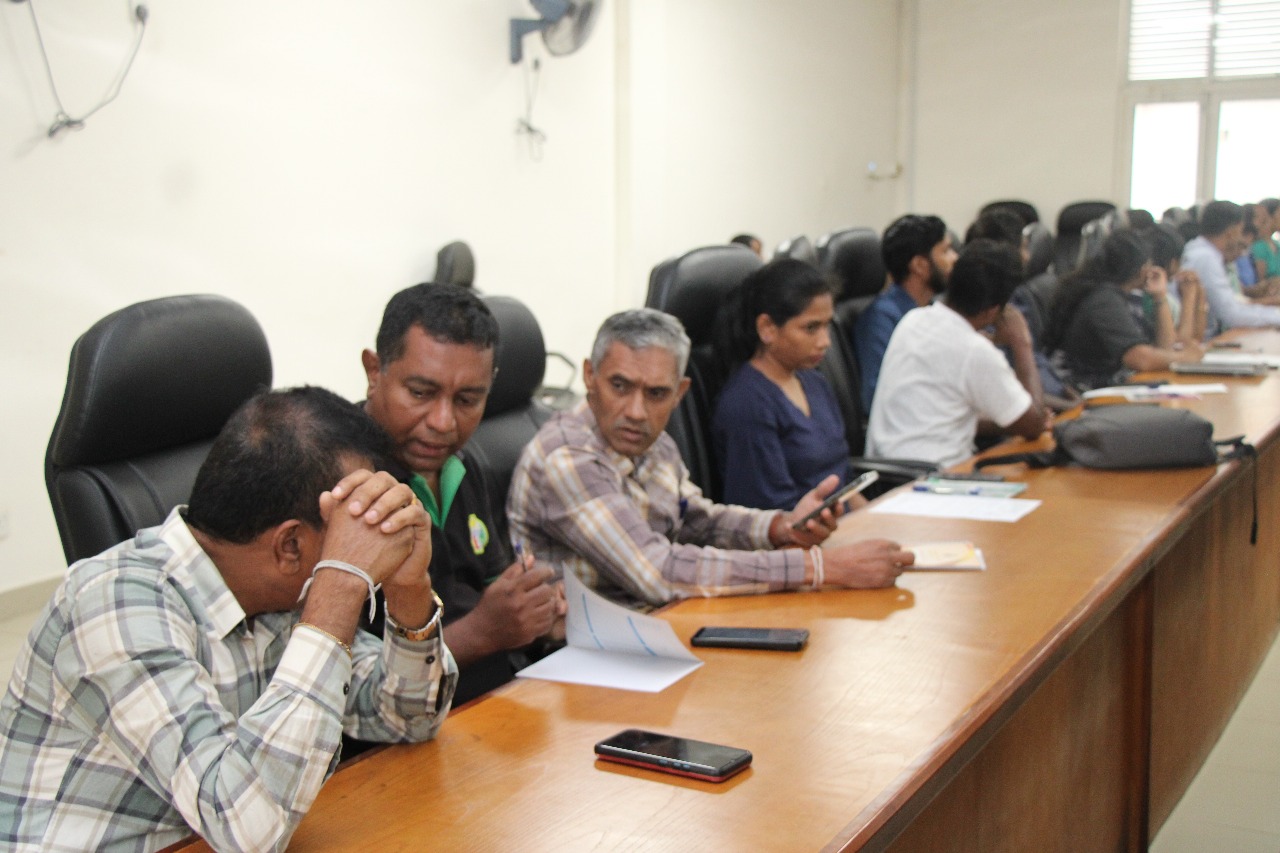
Participants engaged in group discussions to identify common nutrition challenges, prioritize solutions, align actions with MSAPN Priority Areas 1, 4, and 5, and assign responsible agencies and funding sources.
Common Problems Identified
Undernutrition among children (underweight, stunting, wasting)
Poor dietary diversity and low protein intake
Low or unstable household income
Limited home gardening and agricultural inputs
Inadequate sanitation and safe drinking water
Low nutrition awareness
Key Solutions Proposed (Jan–Mar 2026)
Distribution of nutrition-sensitive home garden starter packs
PHM-led household counselling and growth monitoring
Linking eligible families to Aswasuma and livelihood programmes
Rapid sanitation improvement initiatives
Joint nutrition awareness campaigns
Micro-livestock and egg production support
Water purification and hygiene education
Key Implementing Agencies
Lead: Ministry of Health, Divisional Secretariats, Department of Agriculture
Support: Aswasuma Programme, NGOs, Education Sector, Social Services
Monitoring & Next Steps
Divisions will develop and submit Jan–Mar 2026 action plans
Monthly review meetings will be conducted
NAR household lists will be updated and shared regularly
Action plans will be submitted to the District Secretary for coordination and follow-up
Conclusion
The programme concluded with a shared commitment to strengthened coordination, evidence-based planning, and timely implementation of MSAPN activities at divisional level to improve nutrition outcomes among the most vulnerable households.