Overview
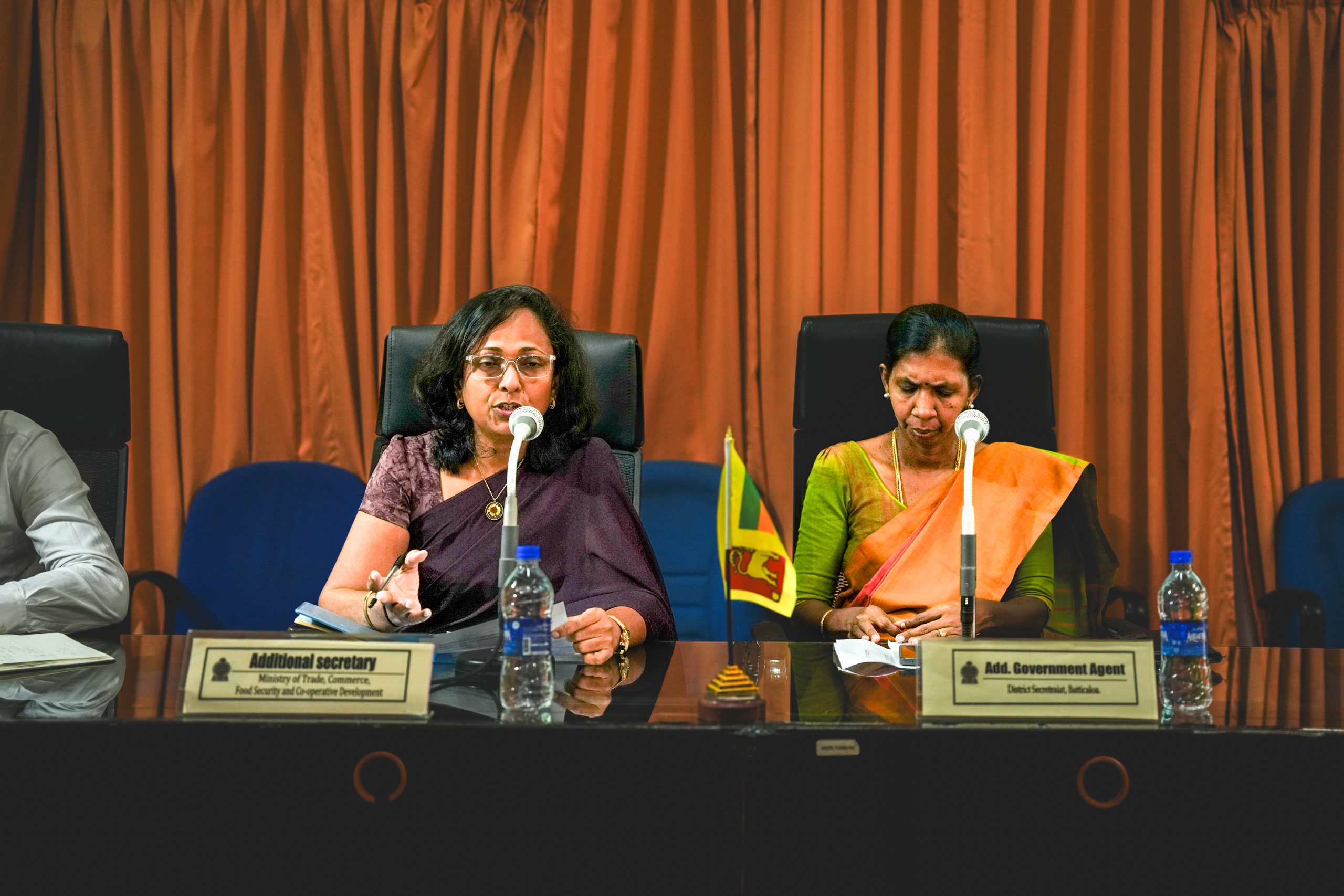
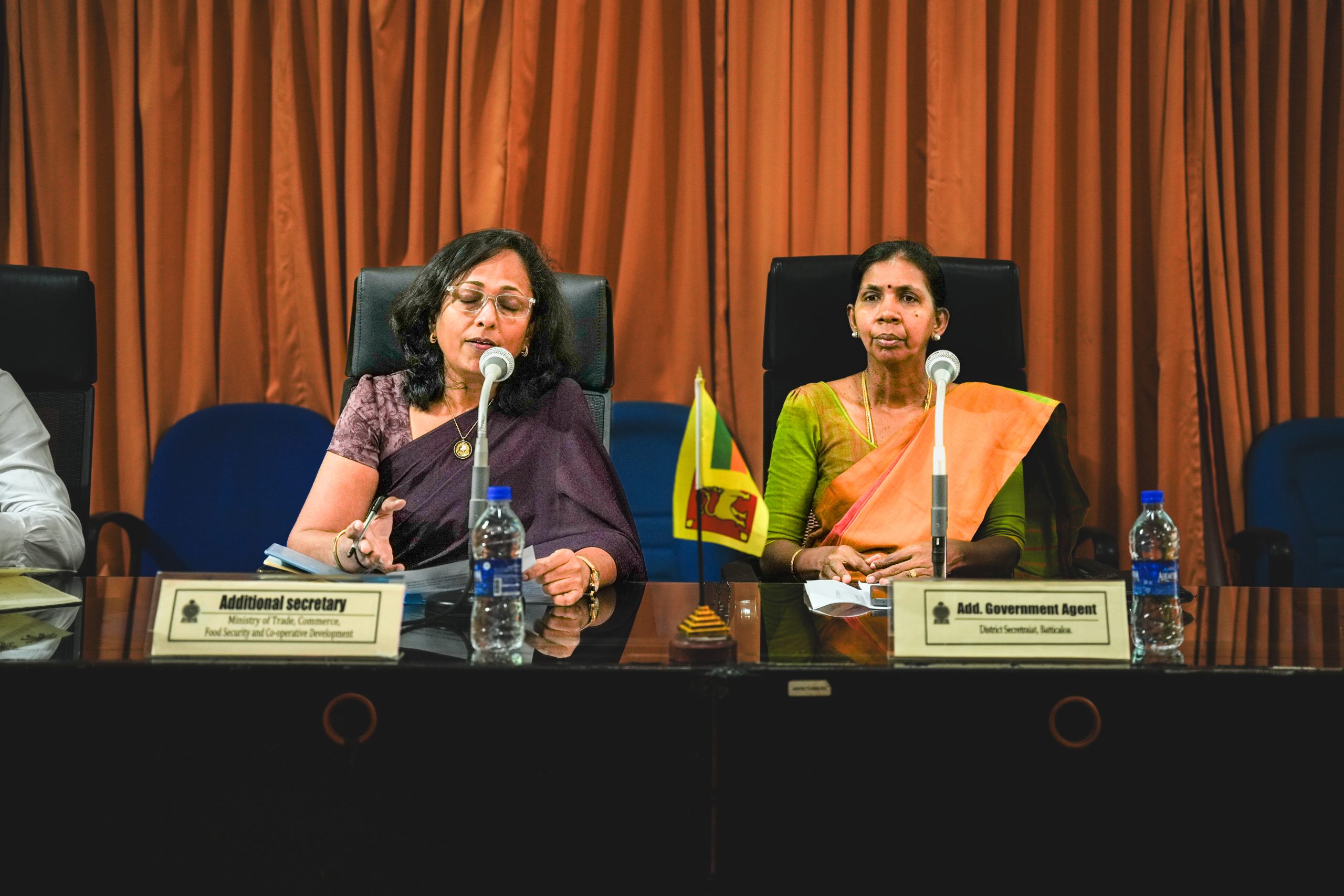
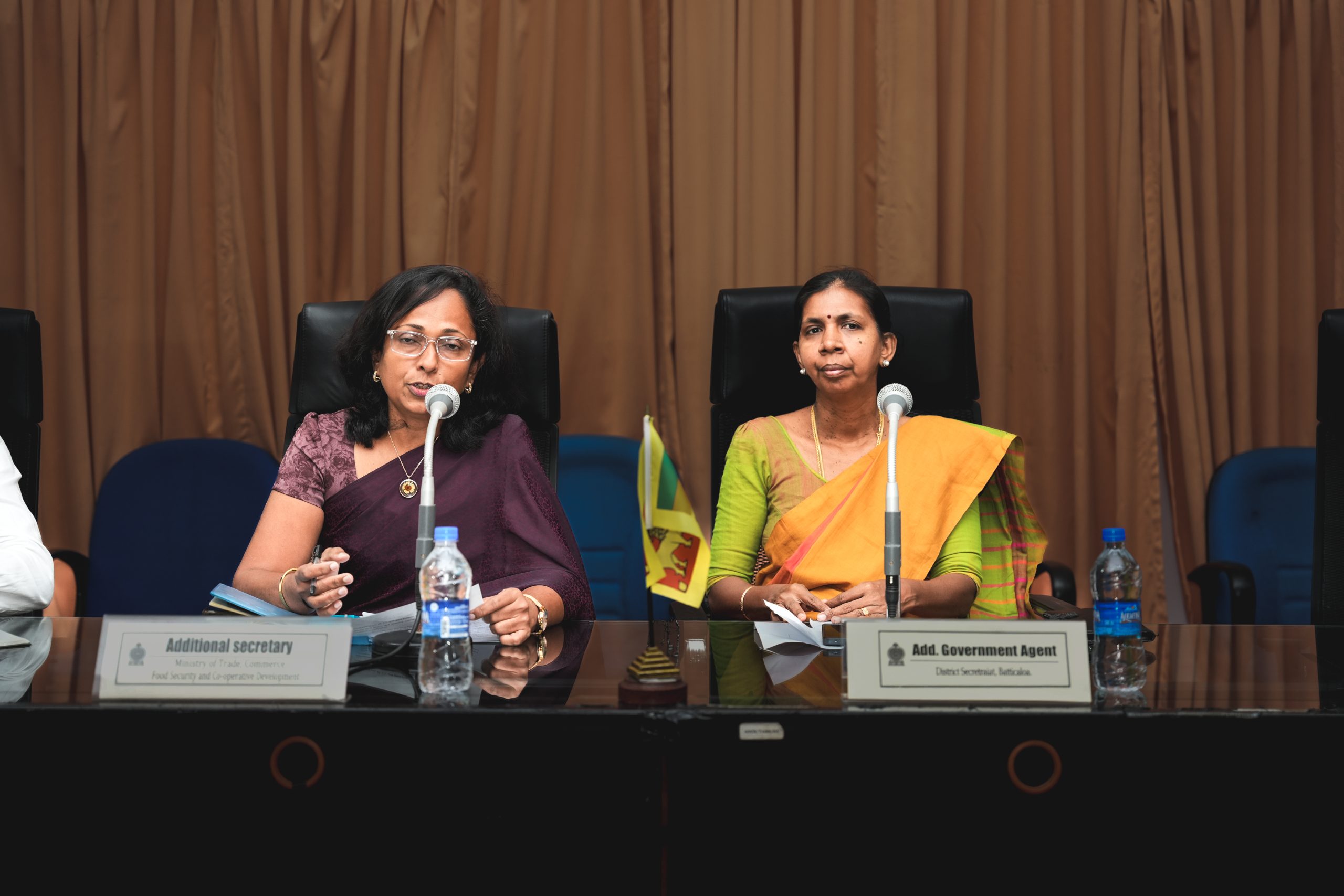
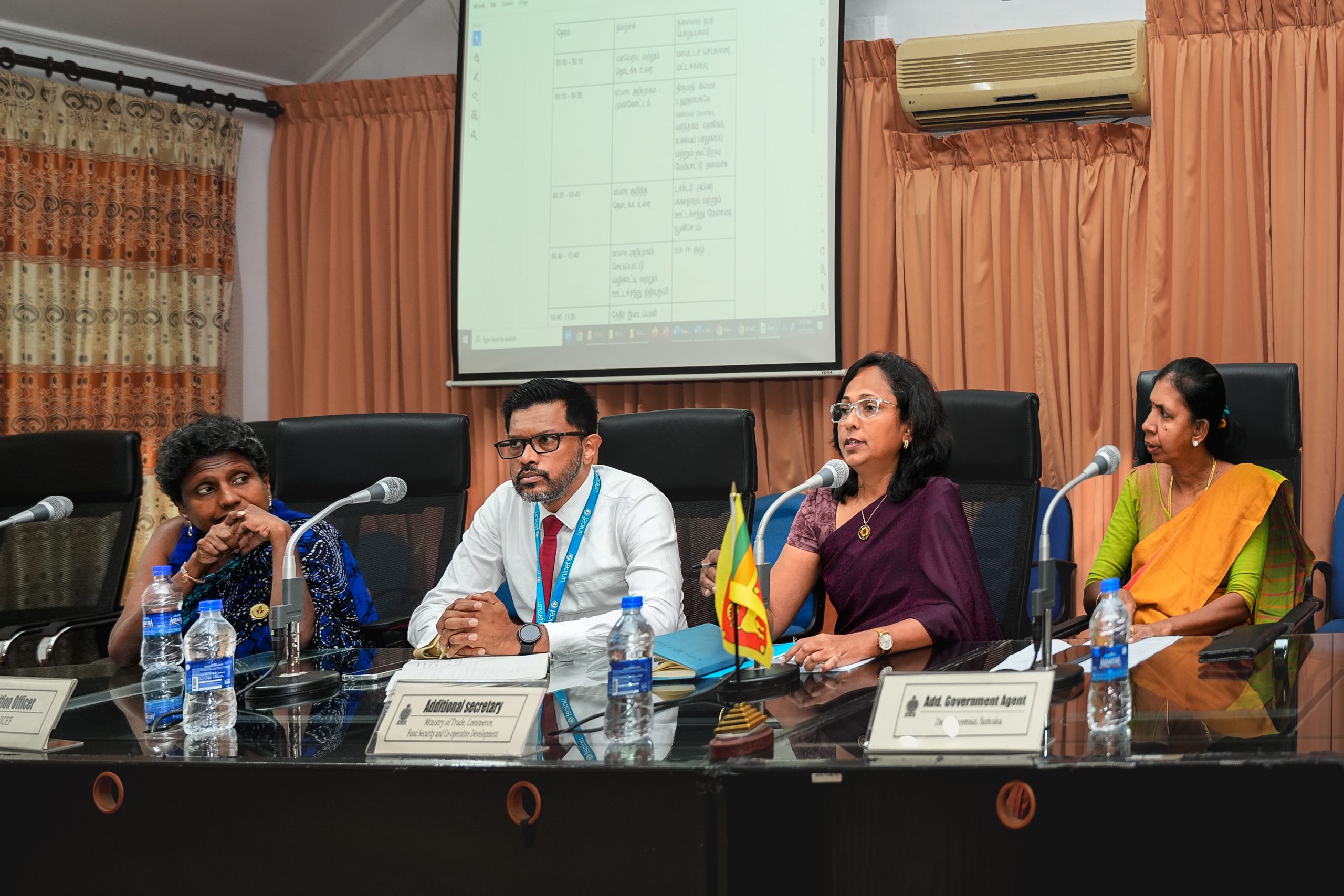
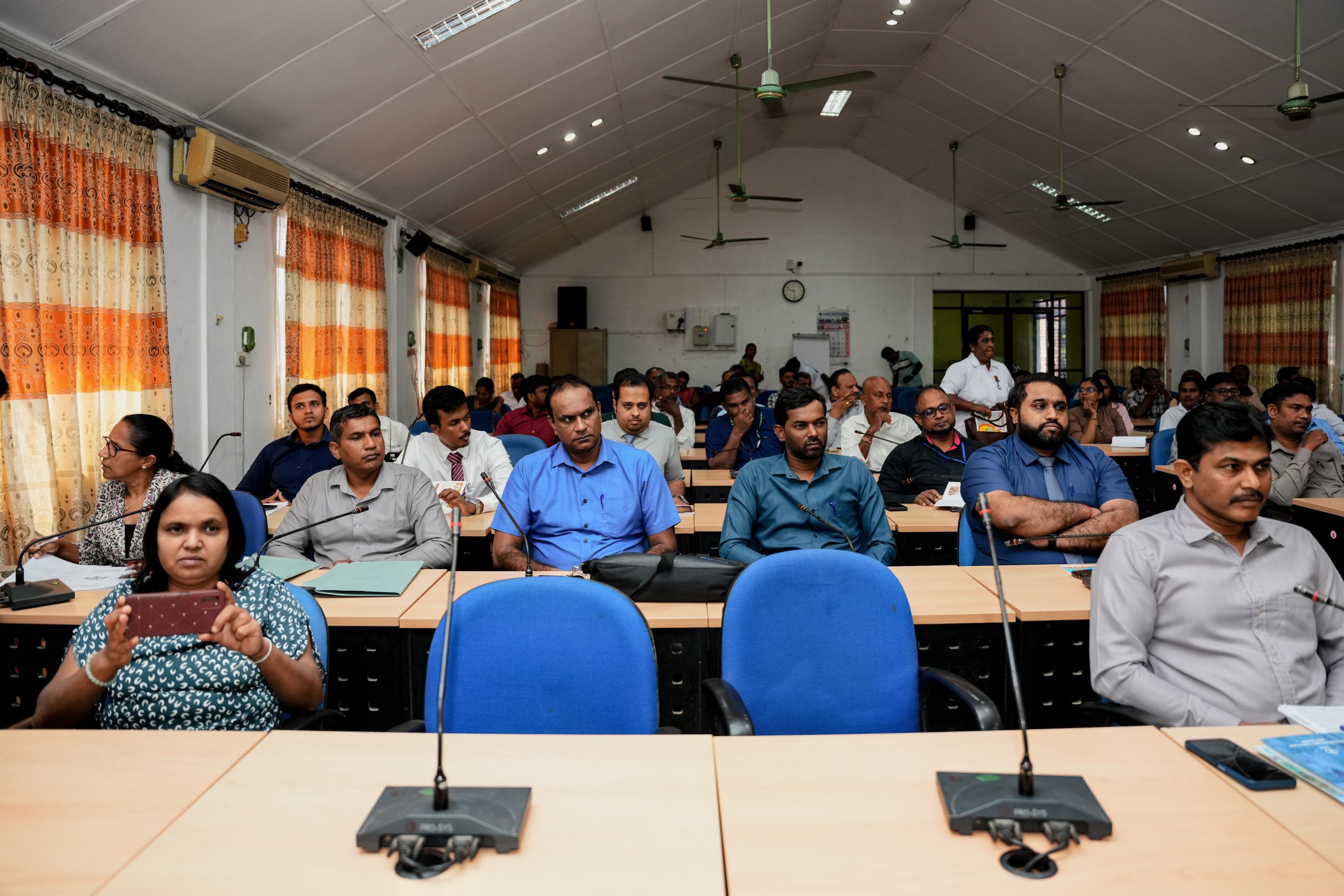
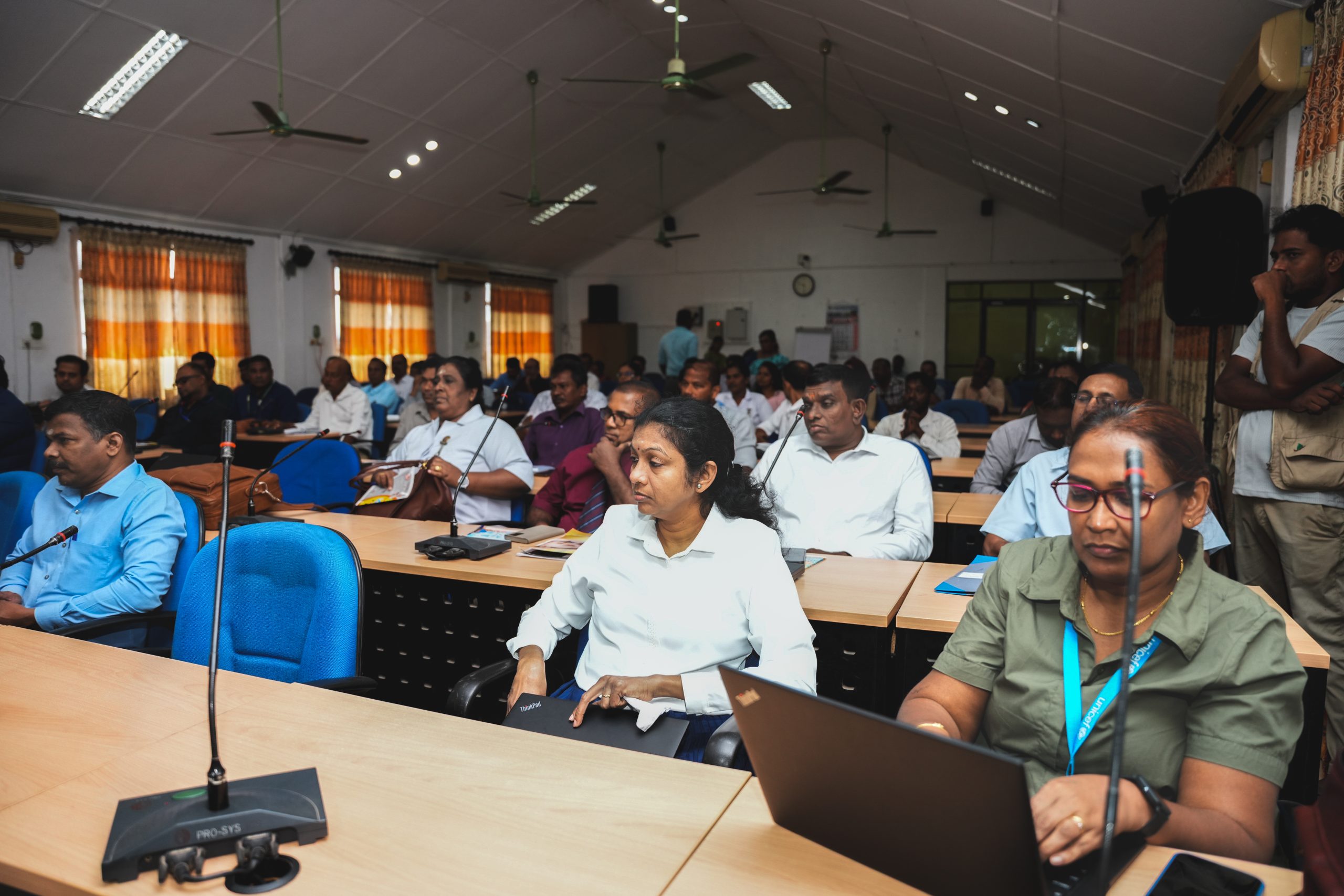
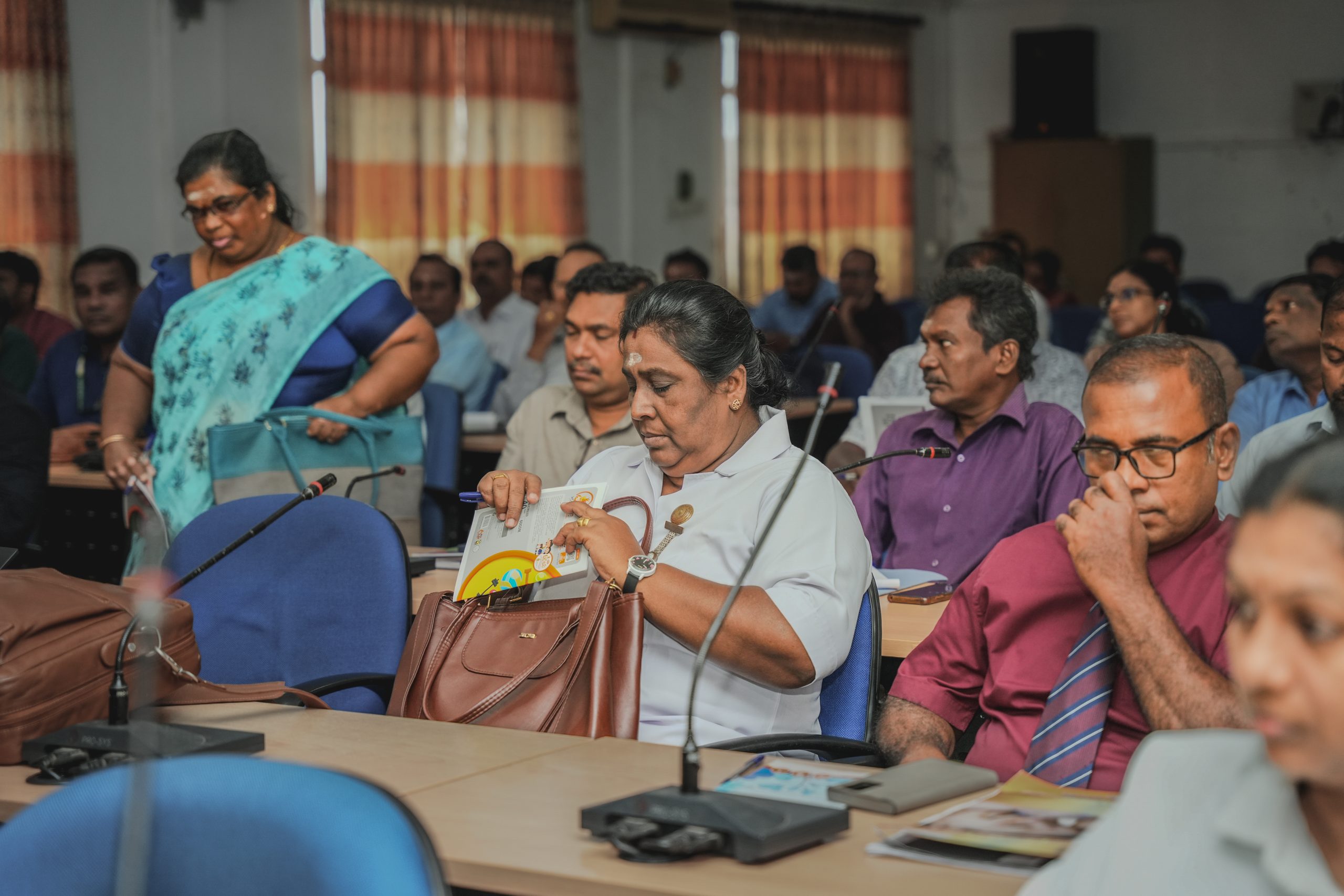
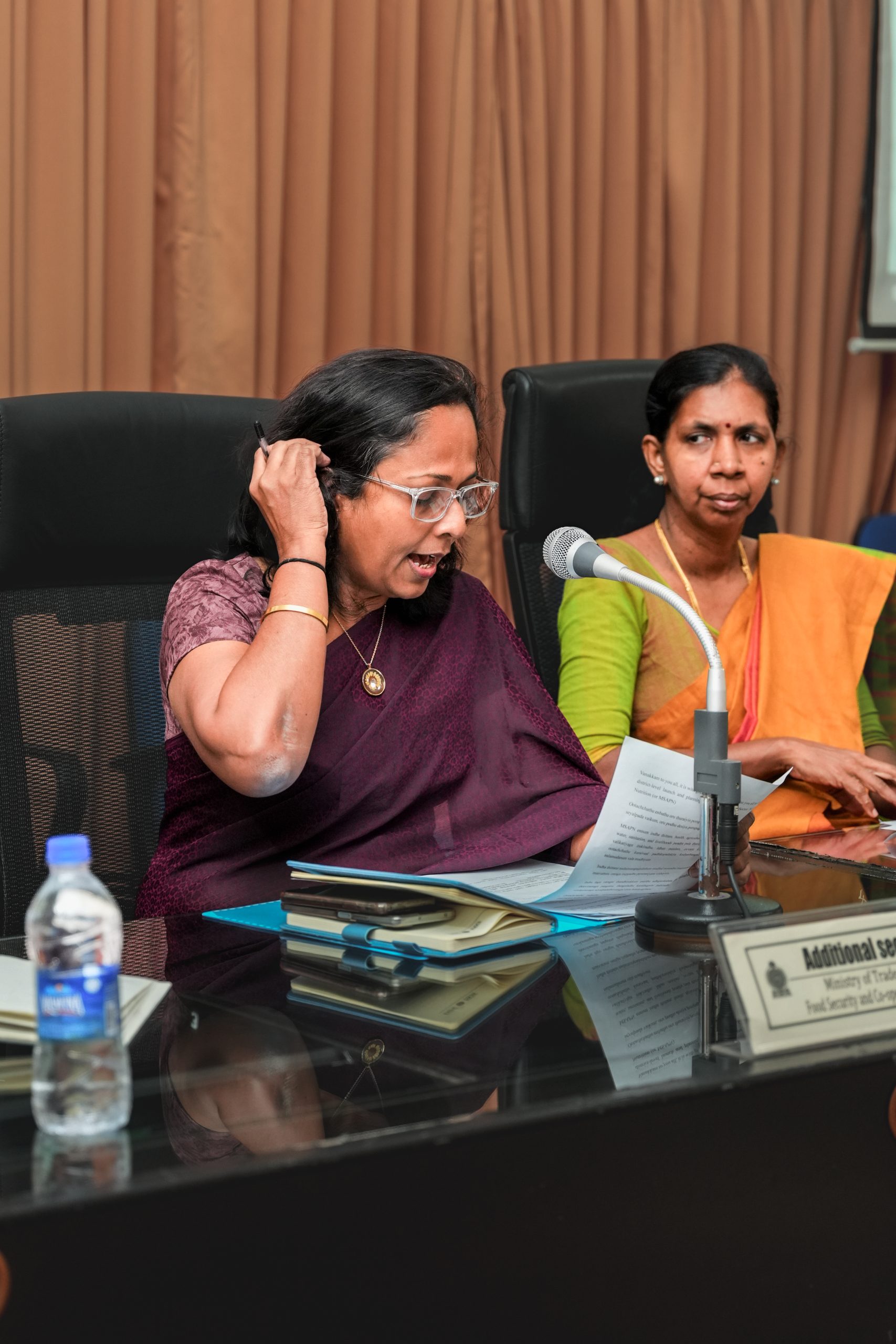
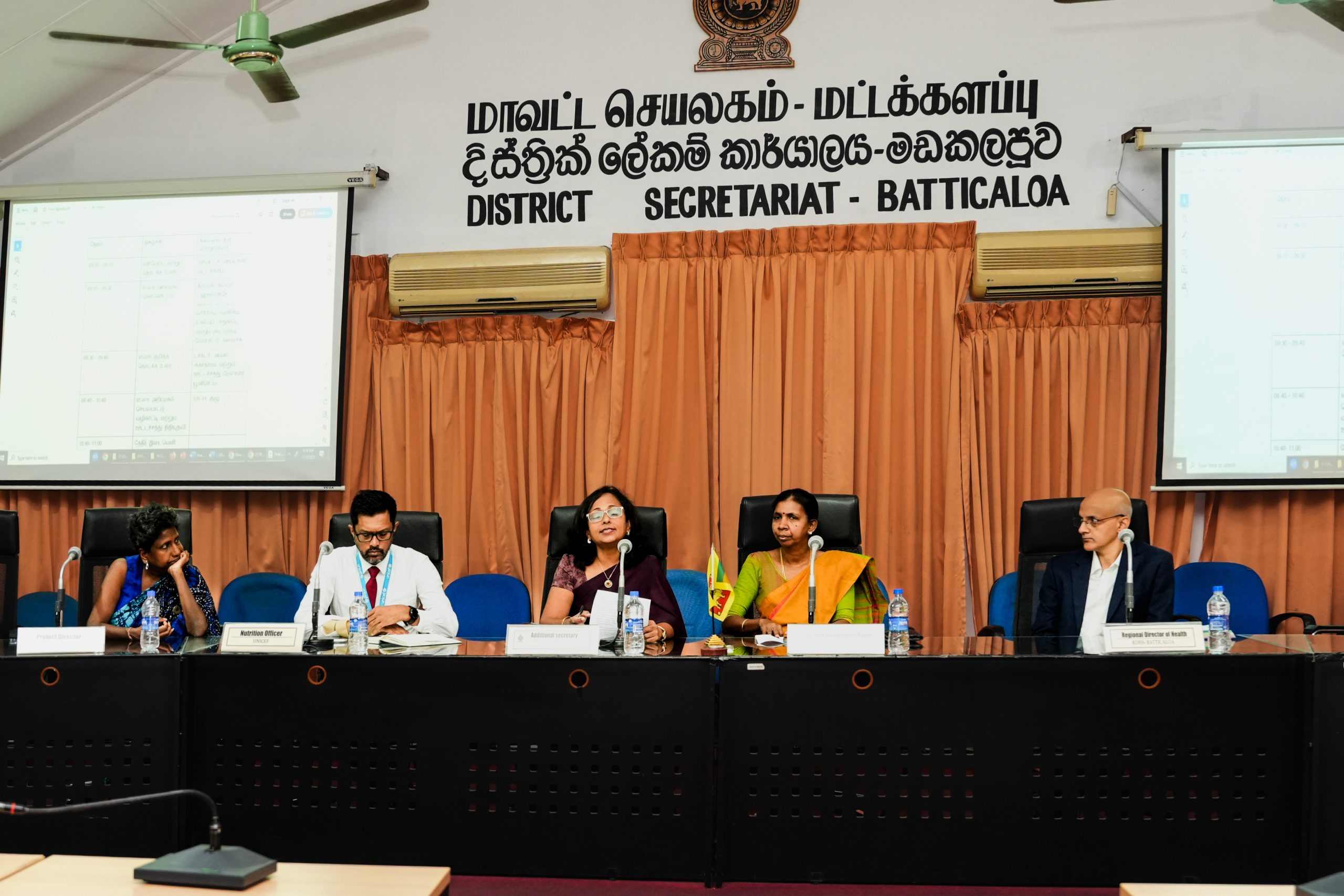
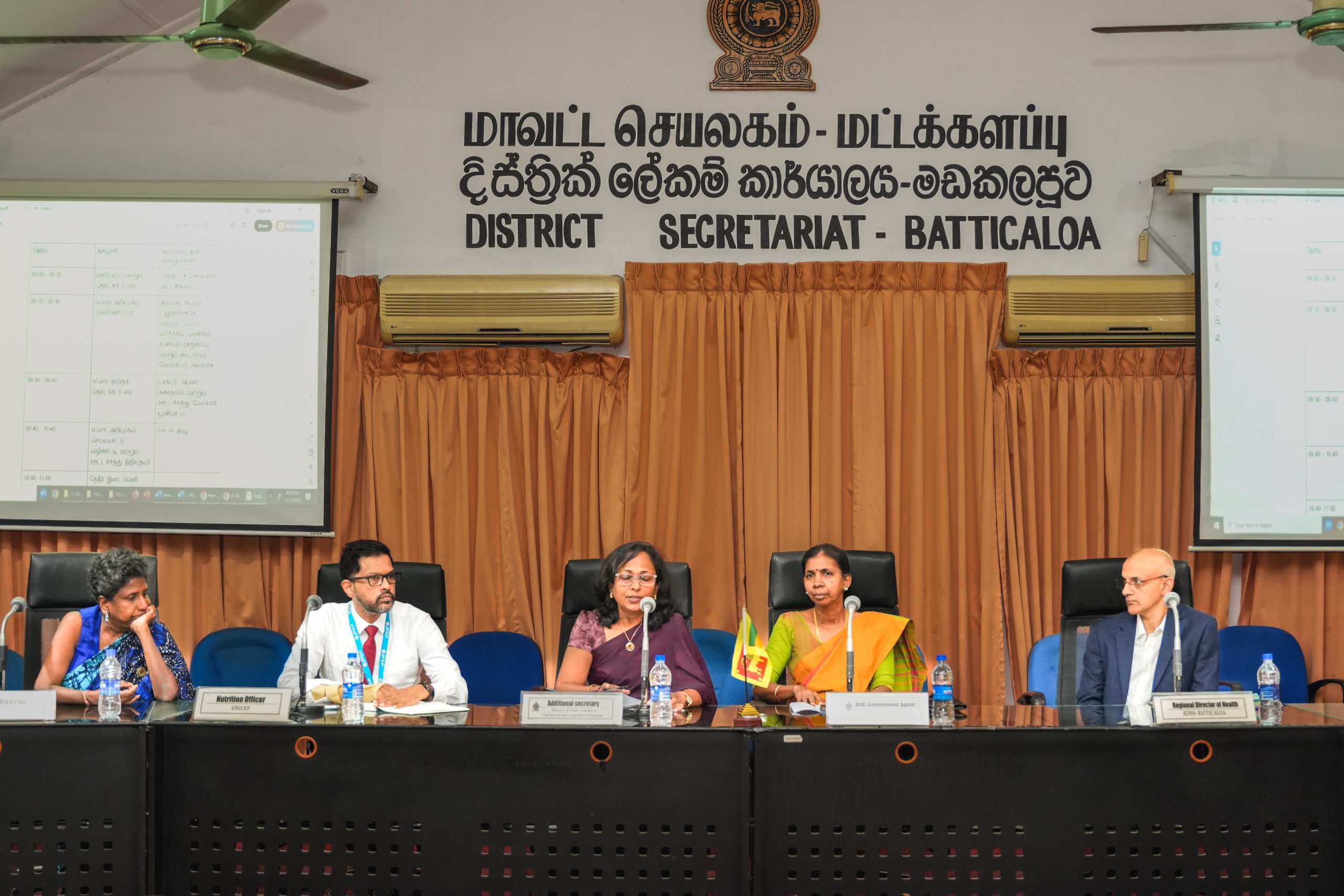
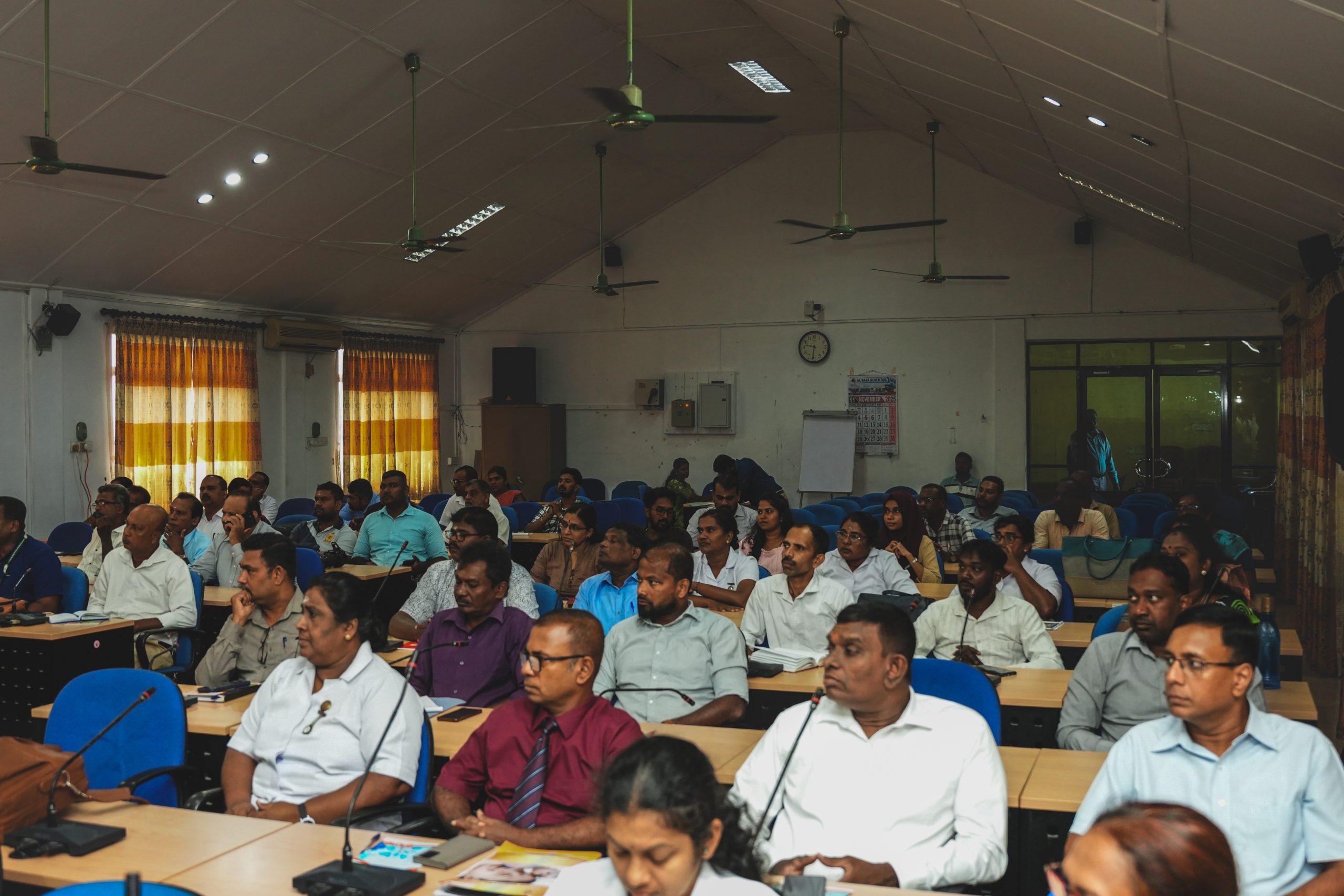
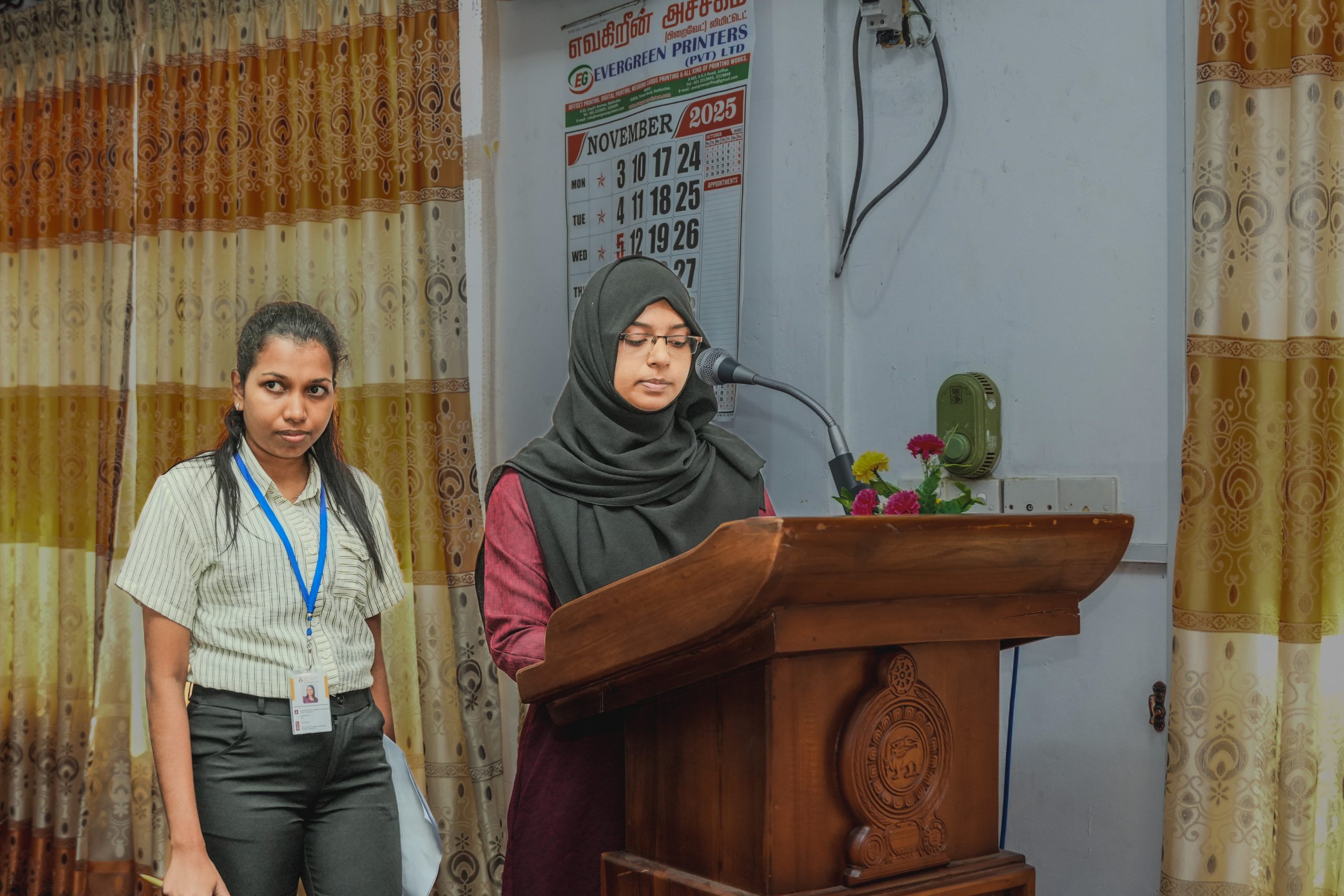
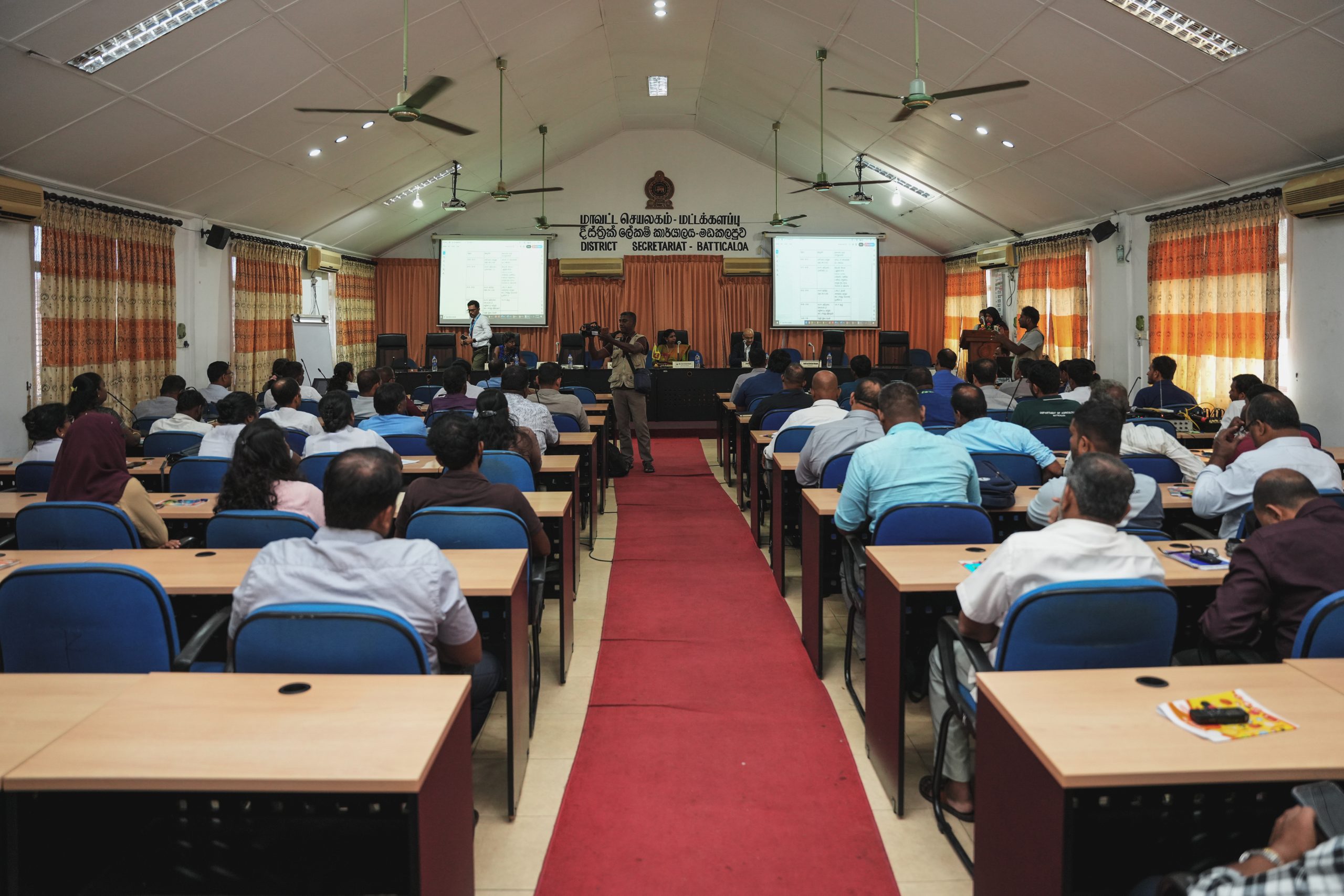
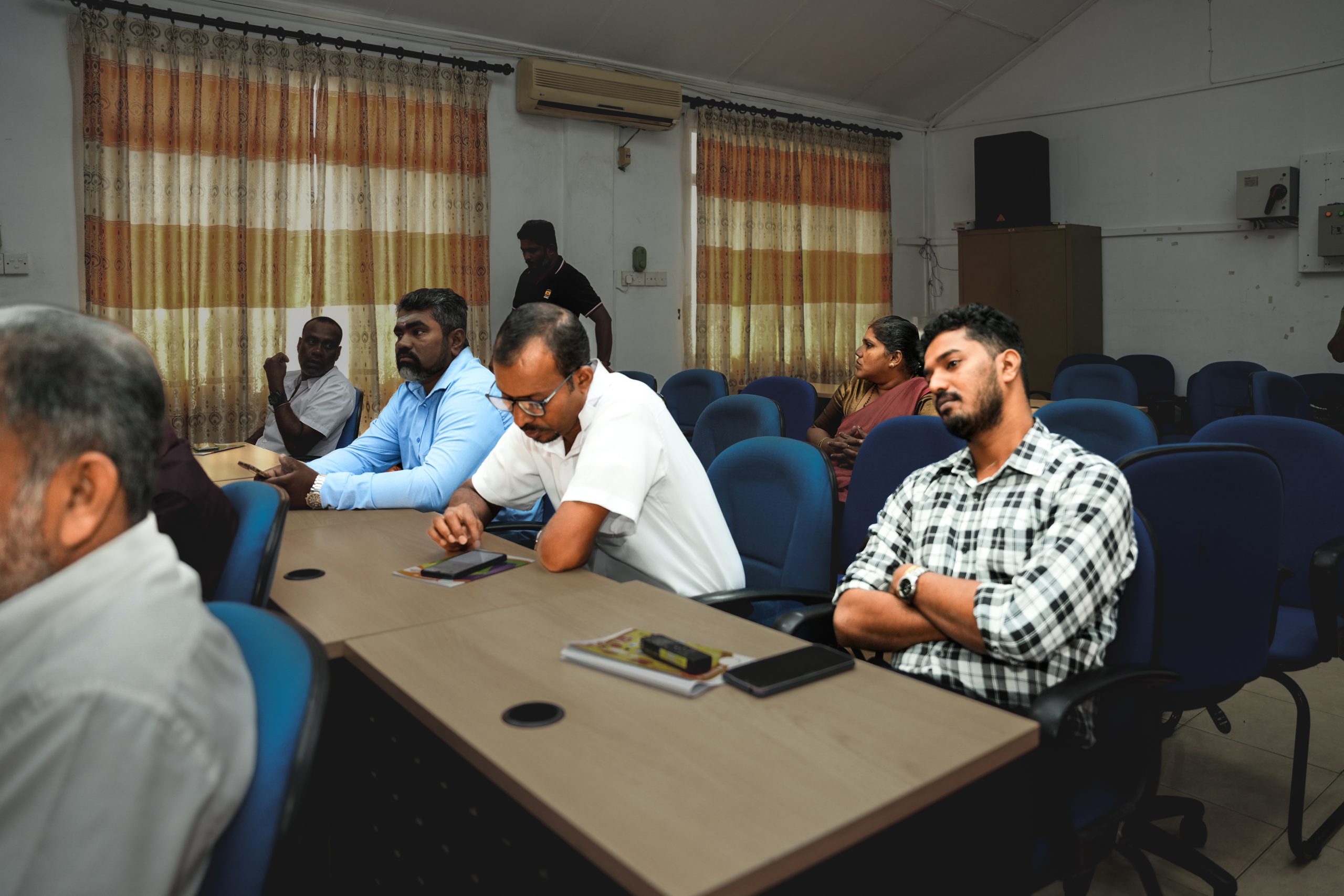
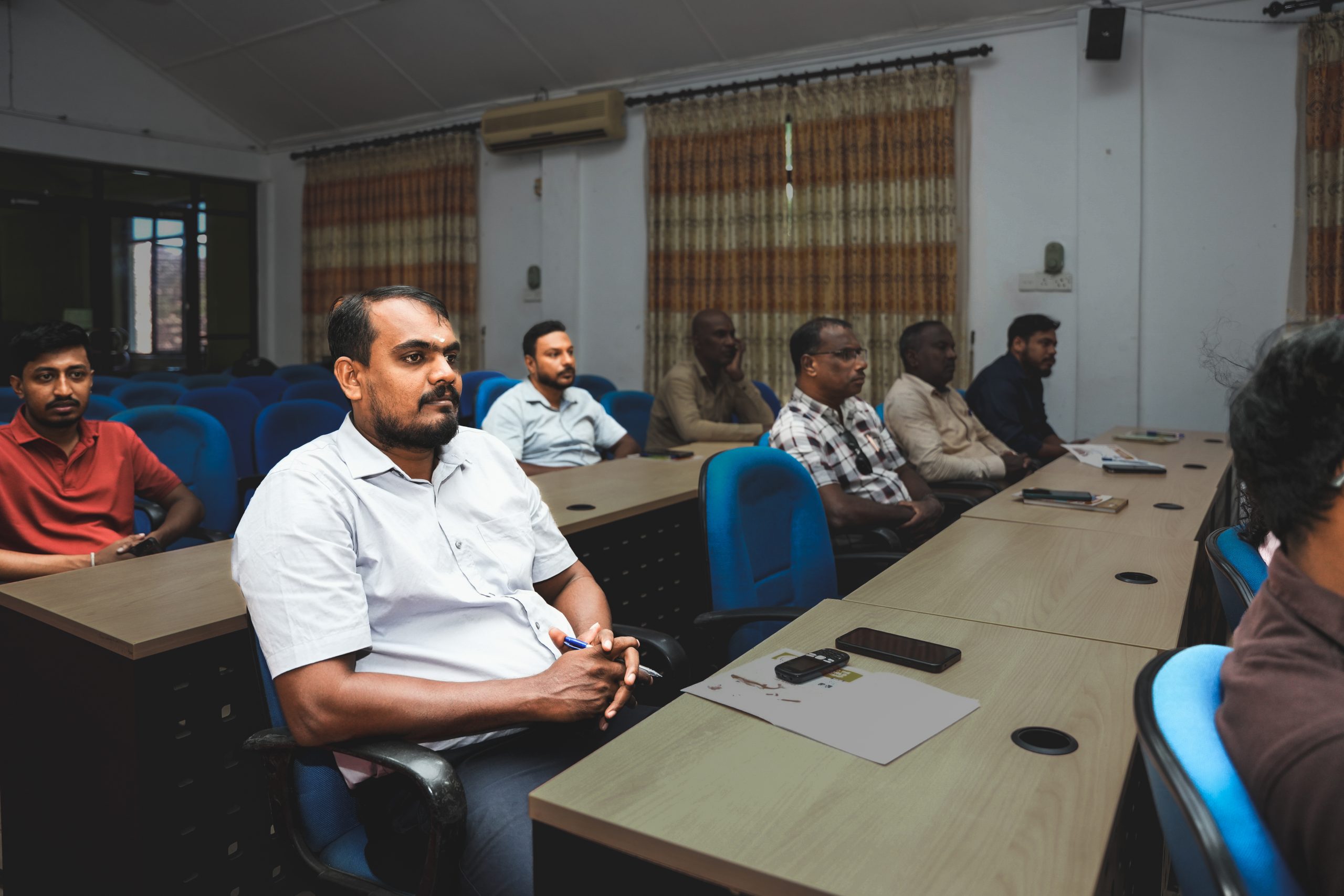
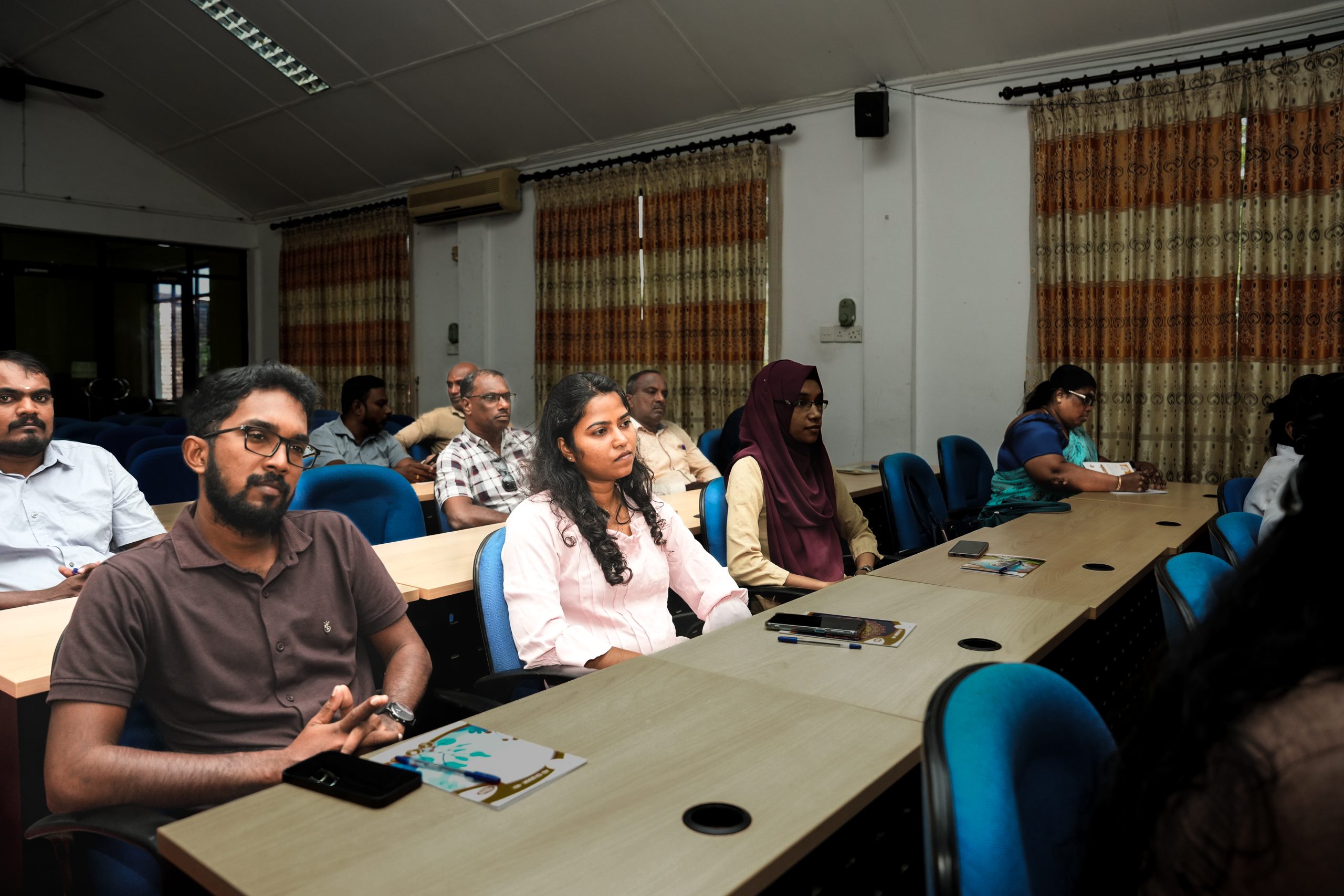
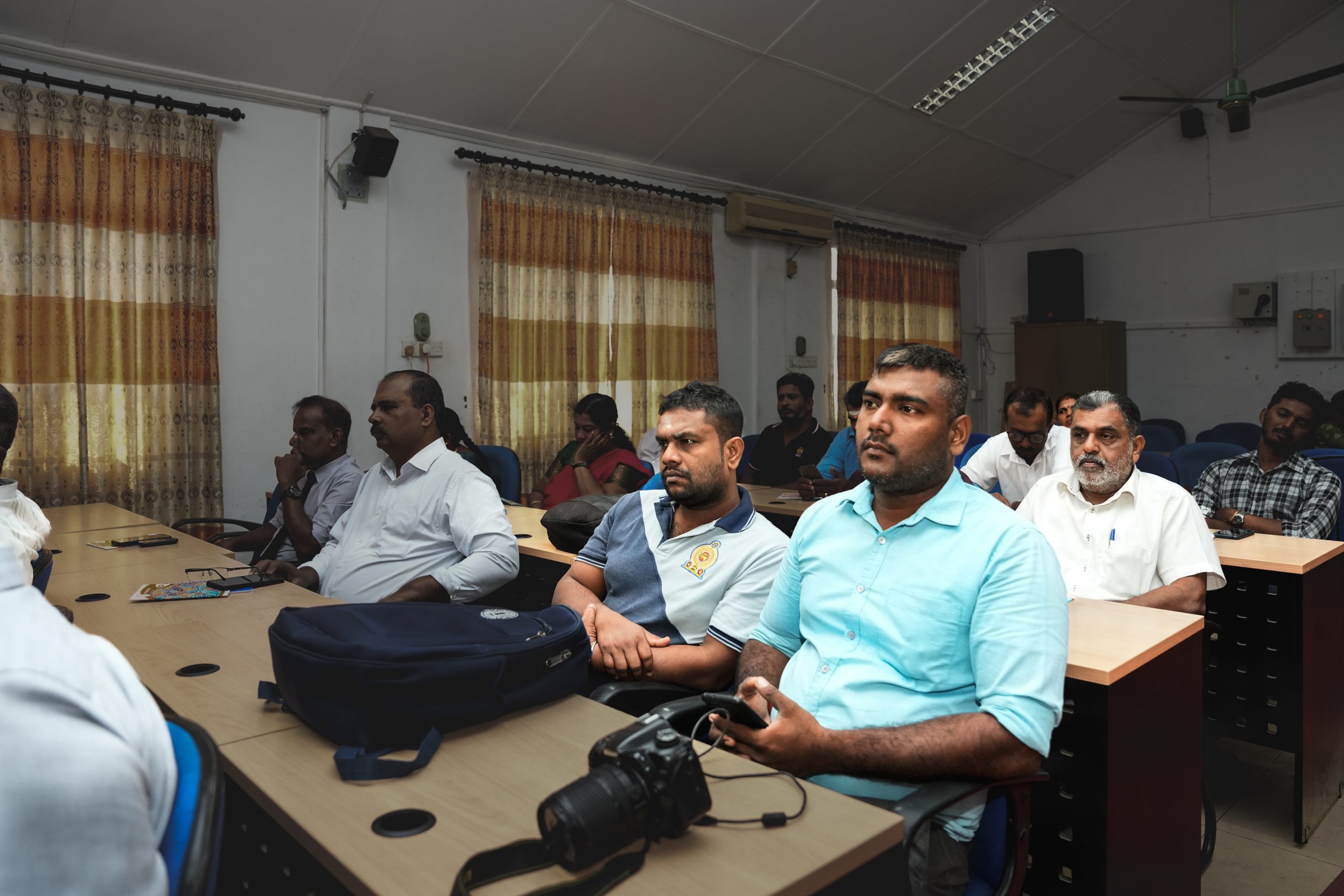
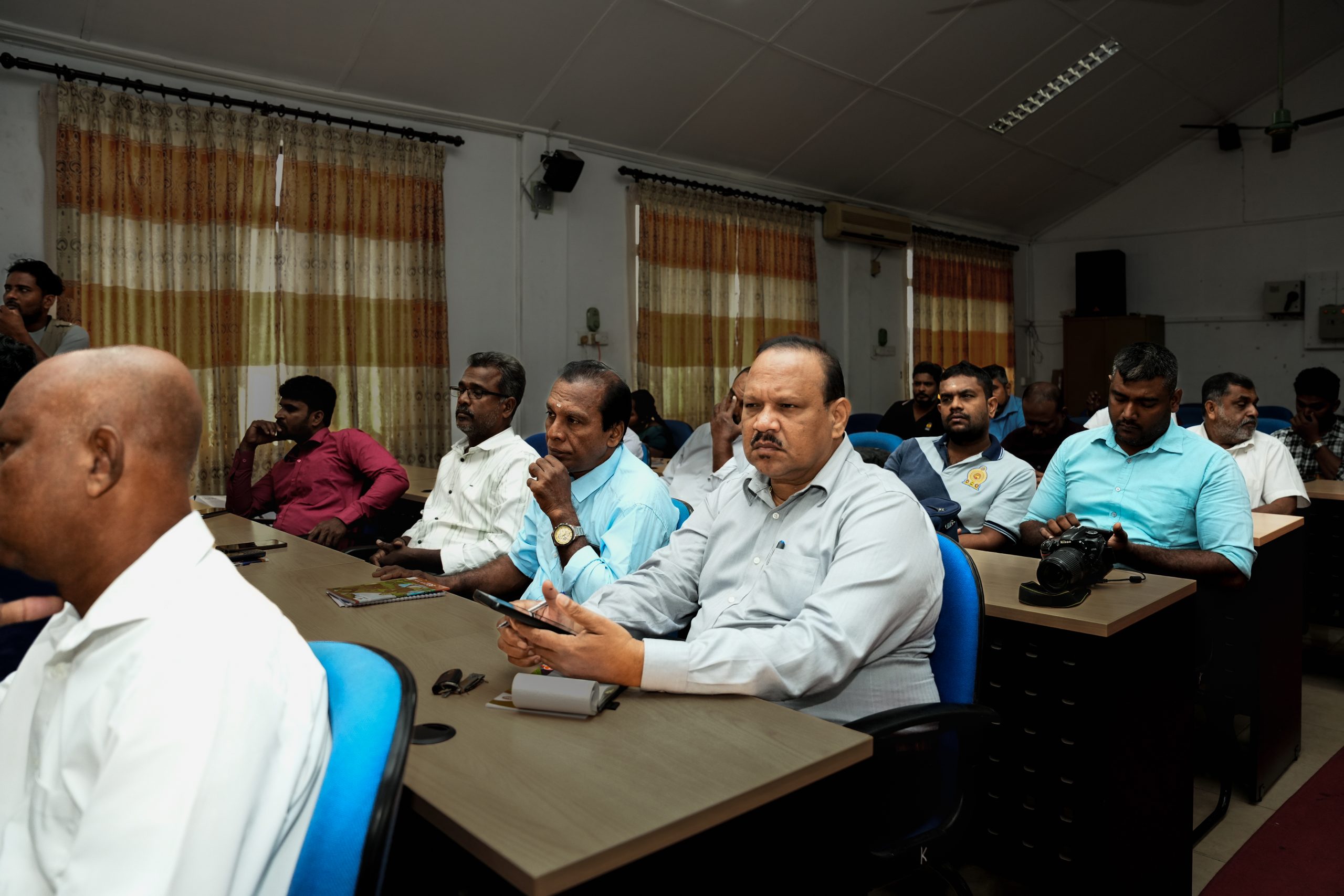
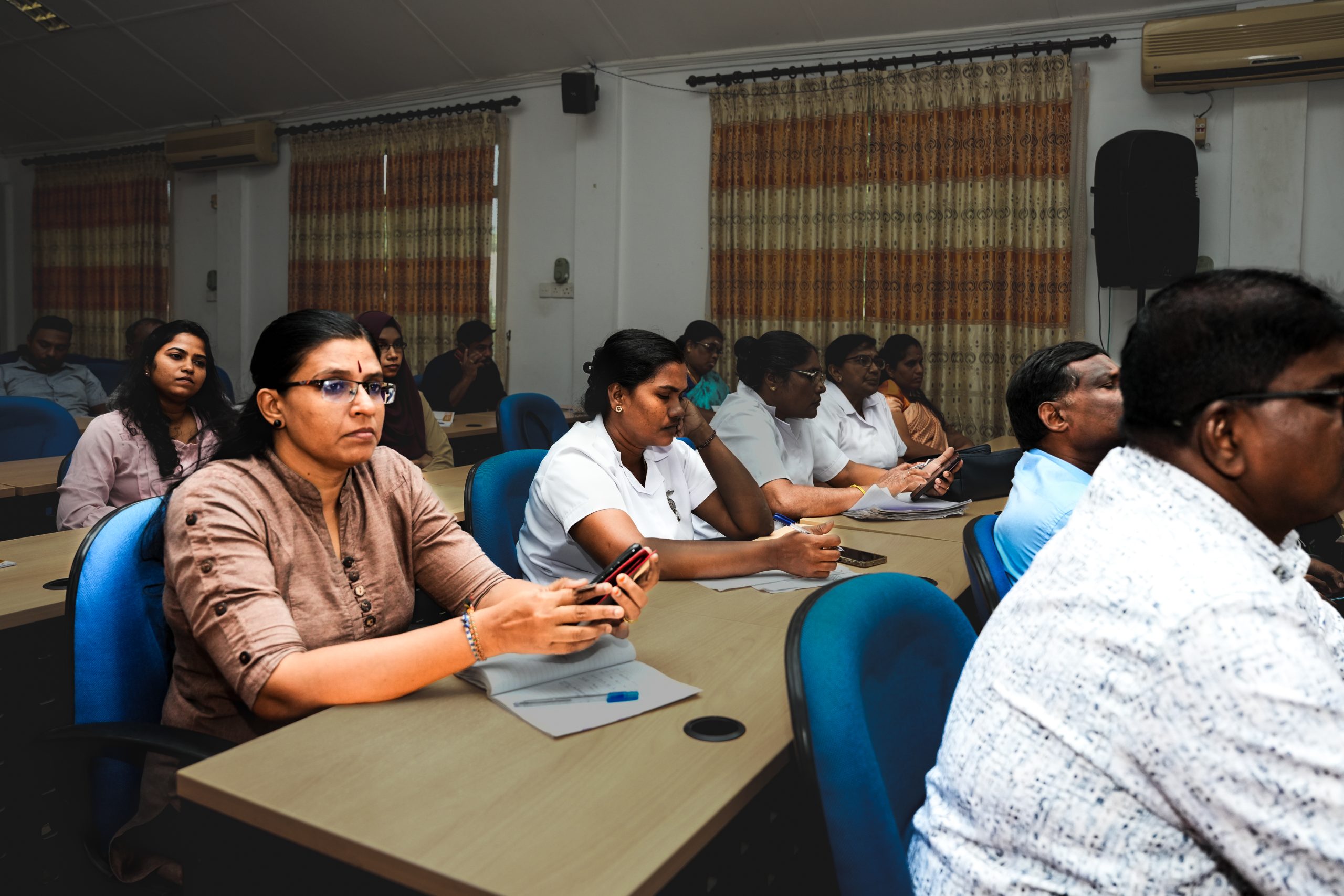
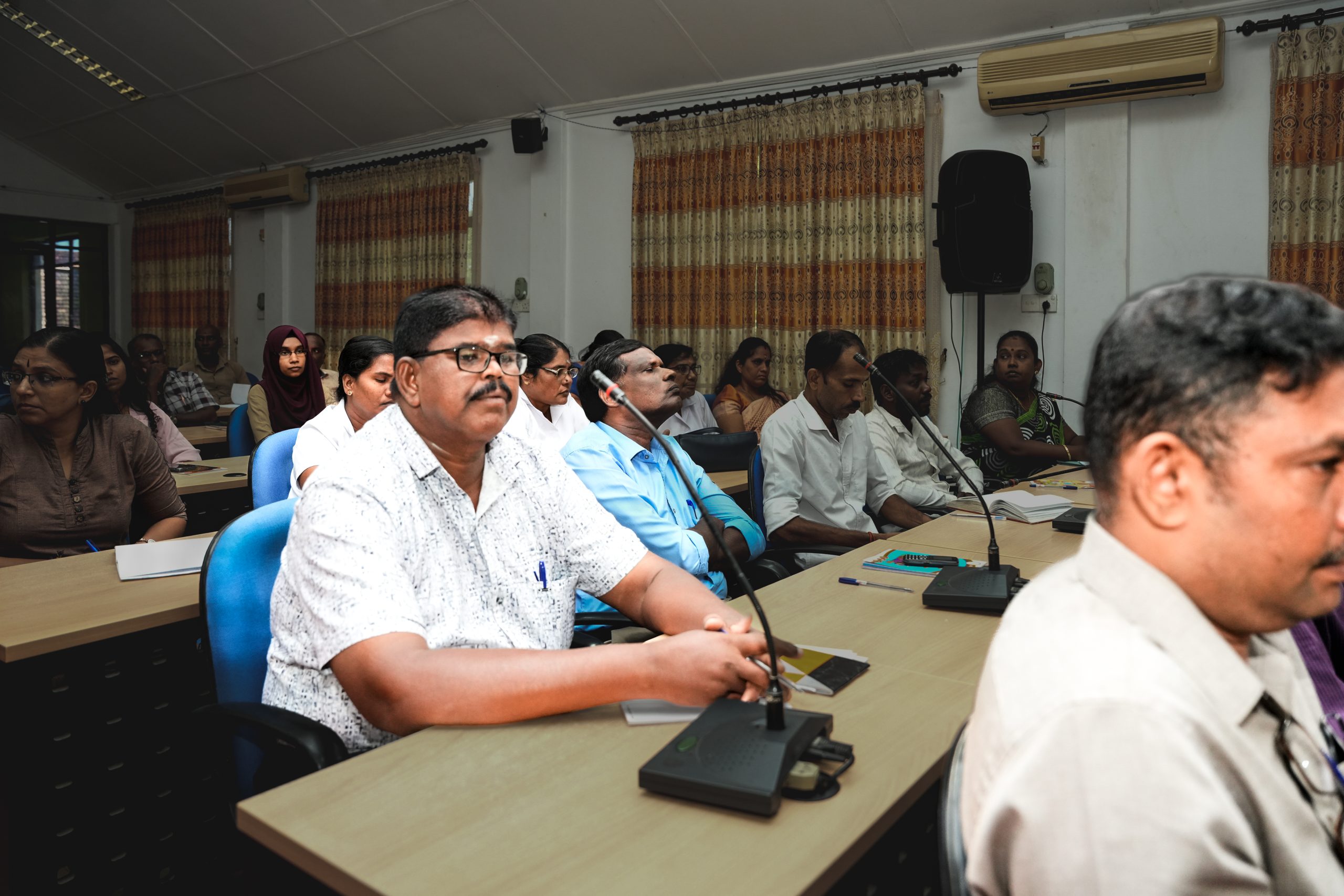
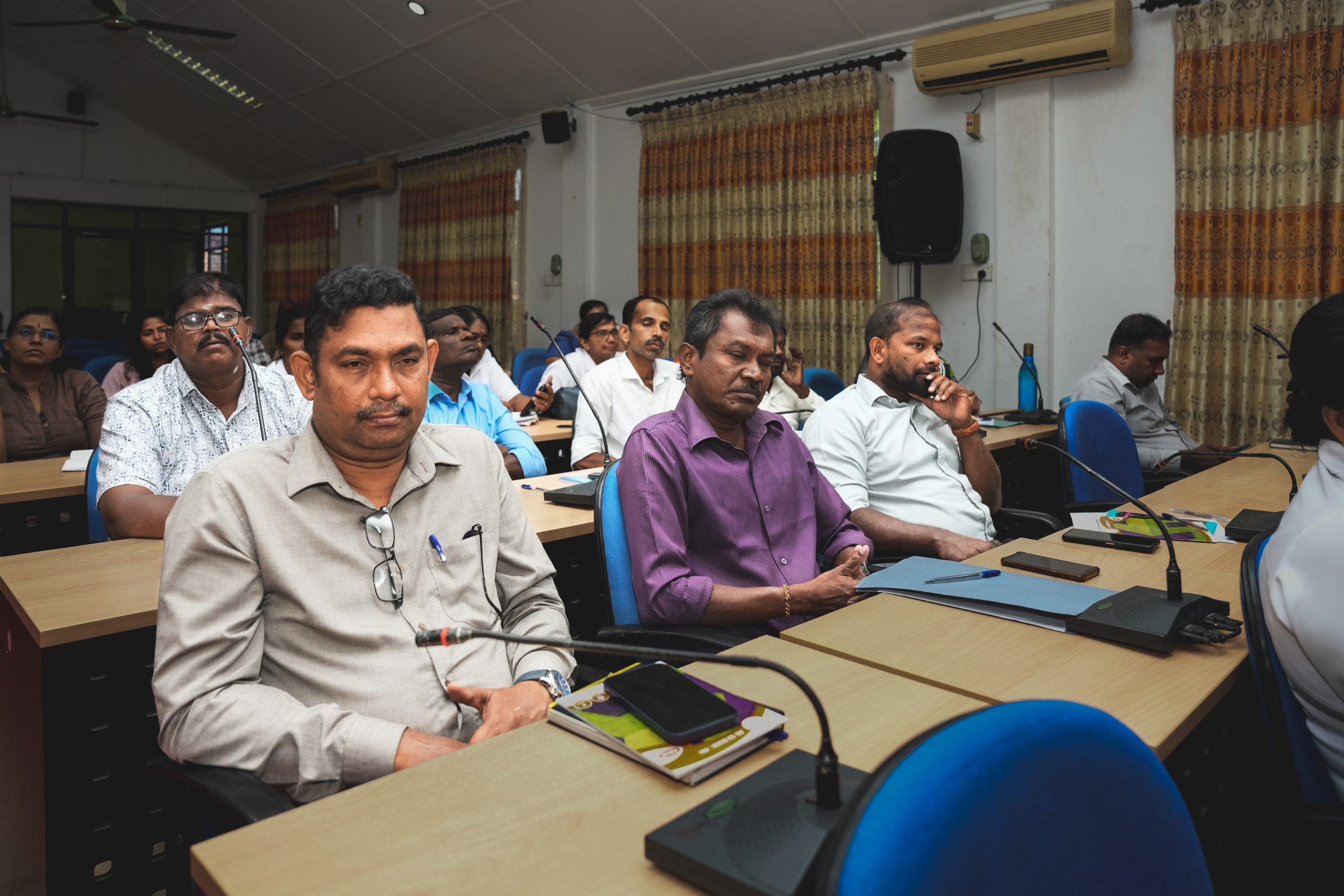
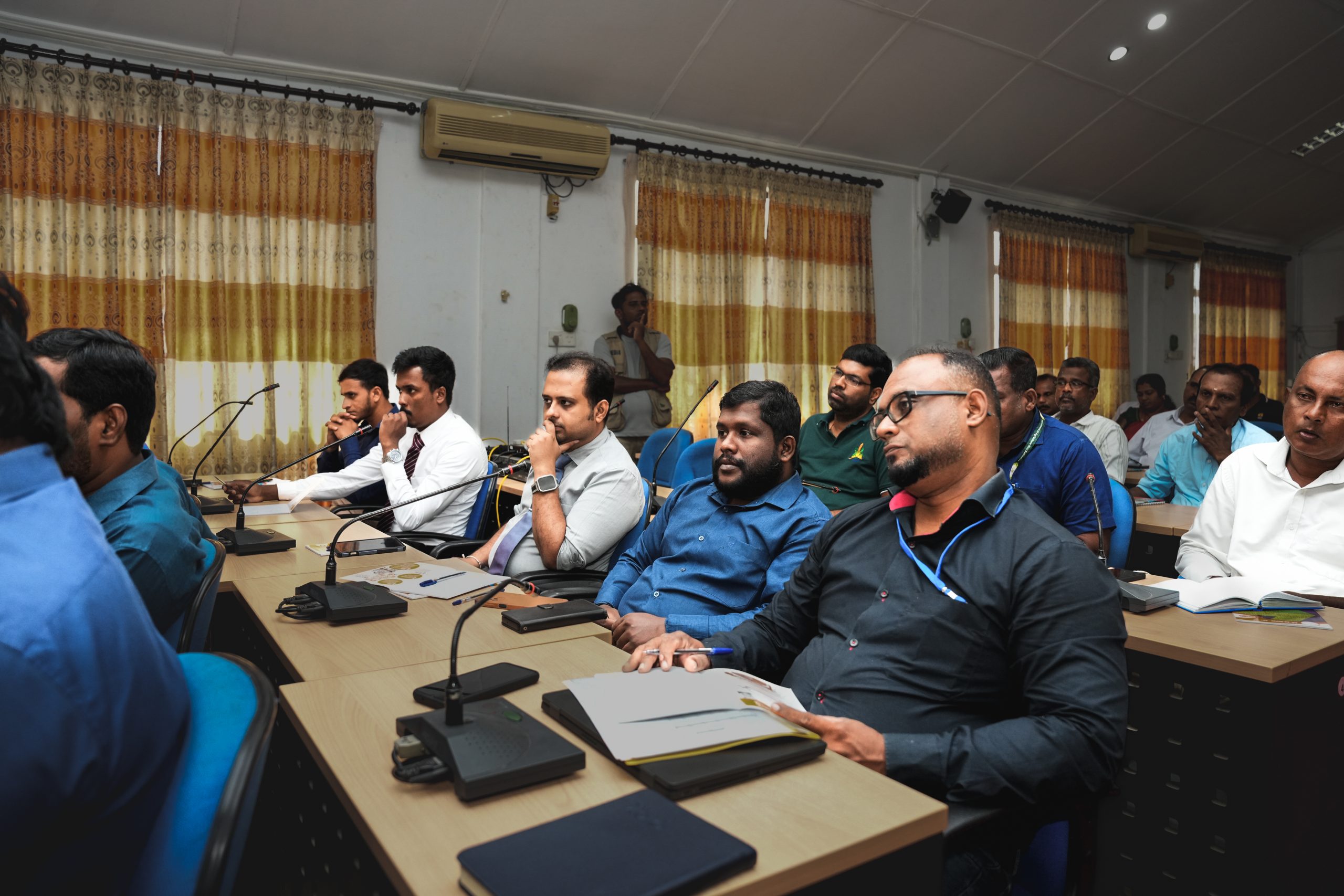
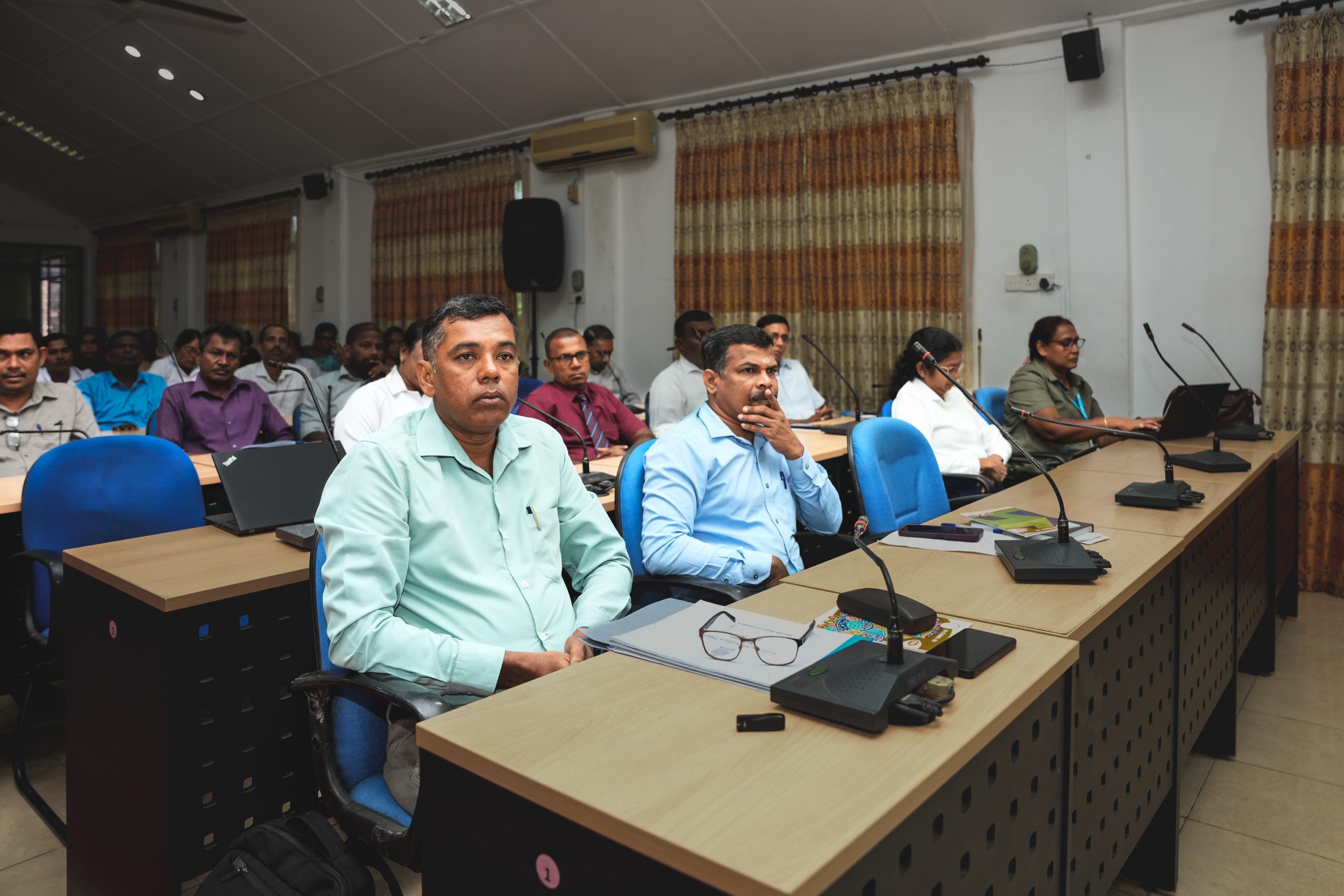
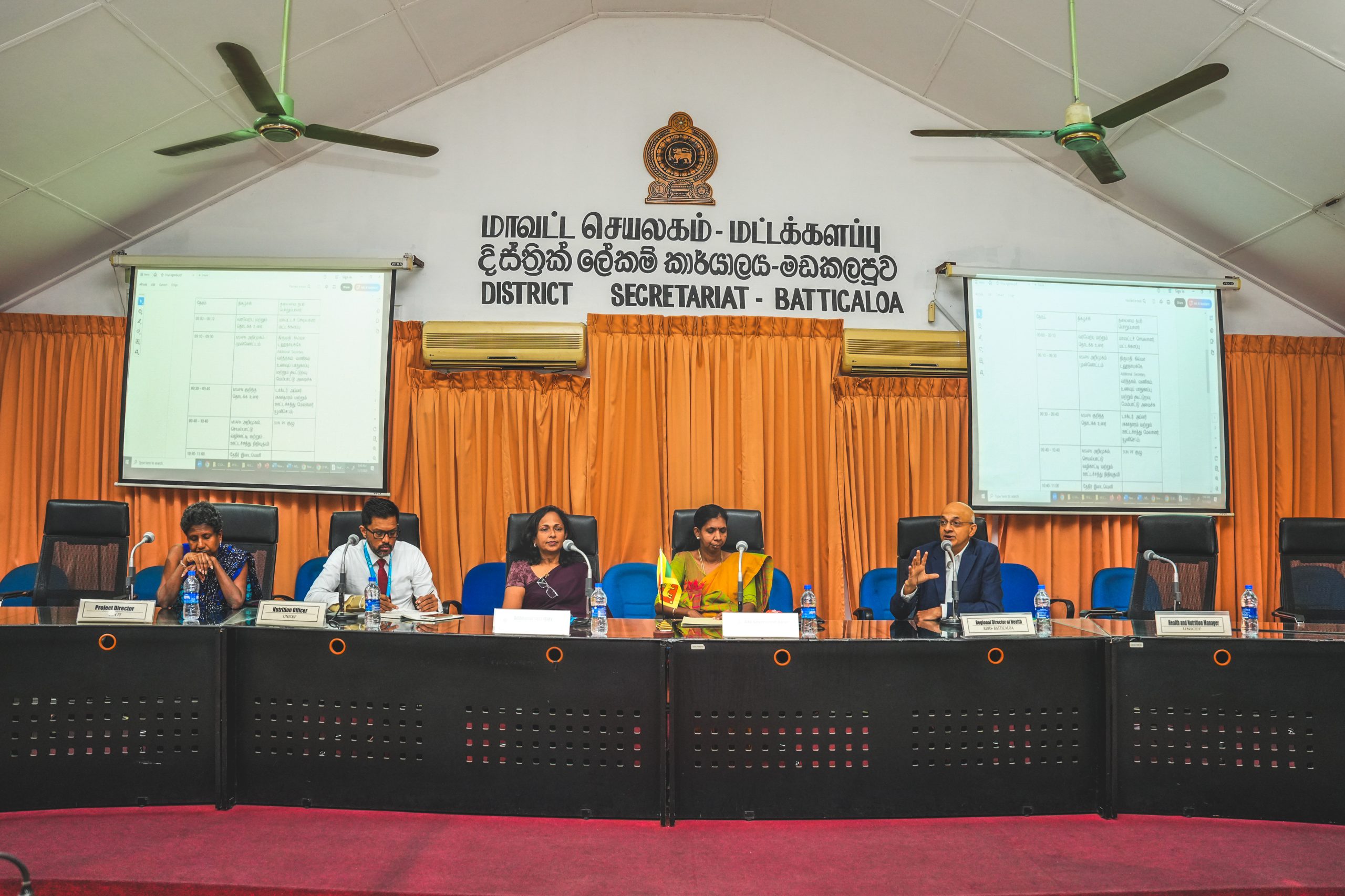
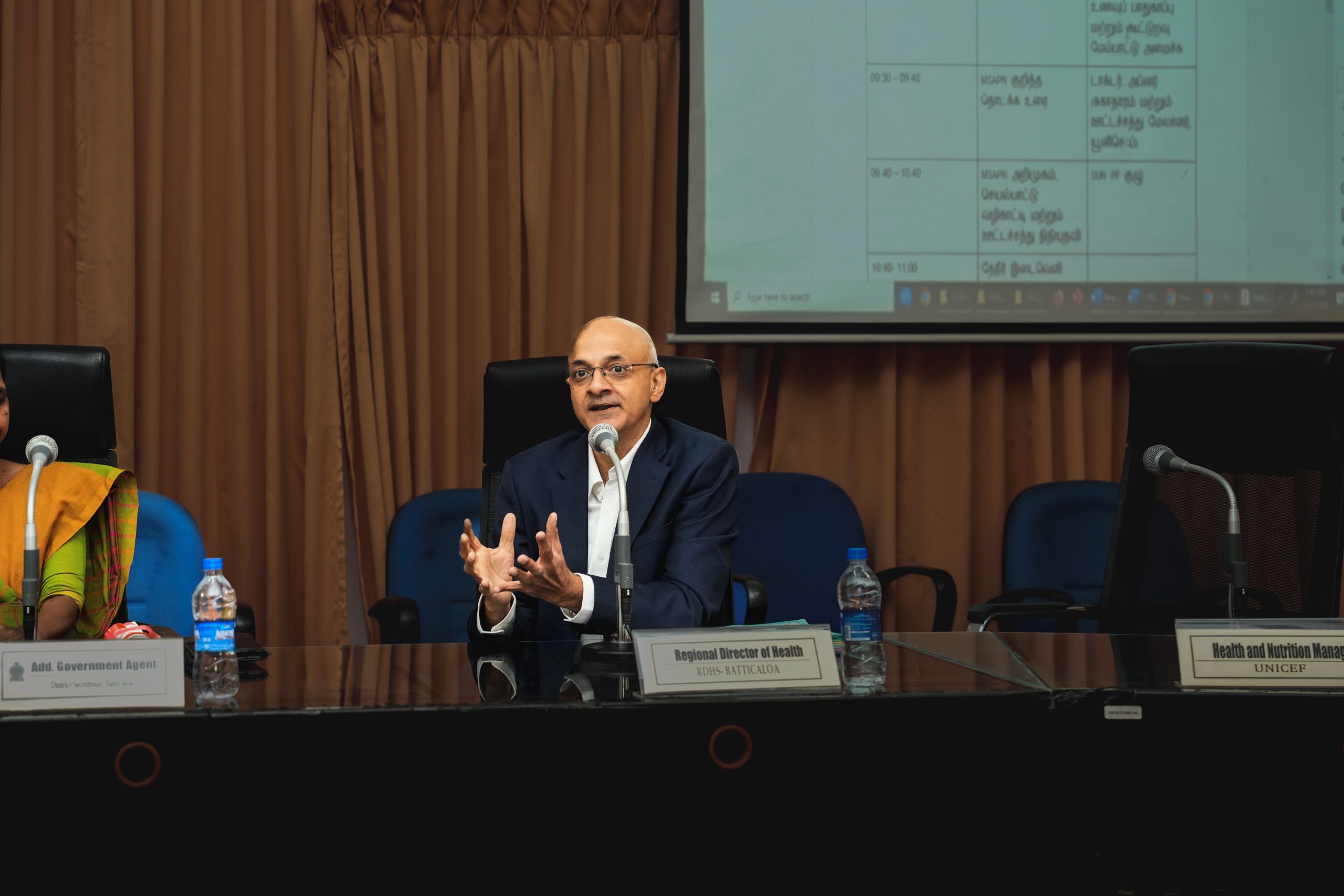
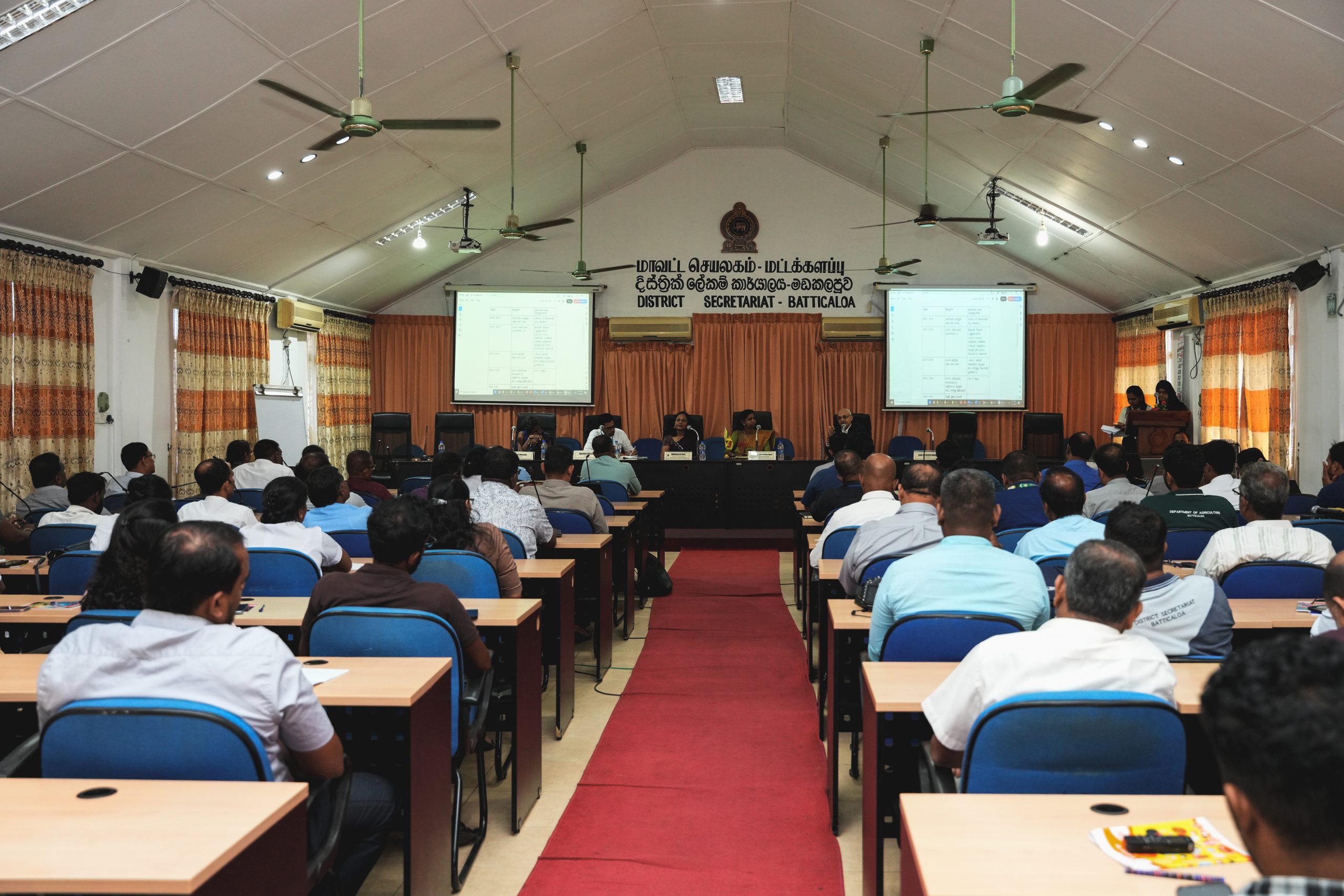
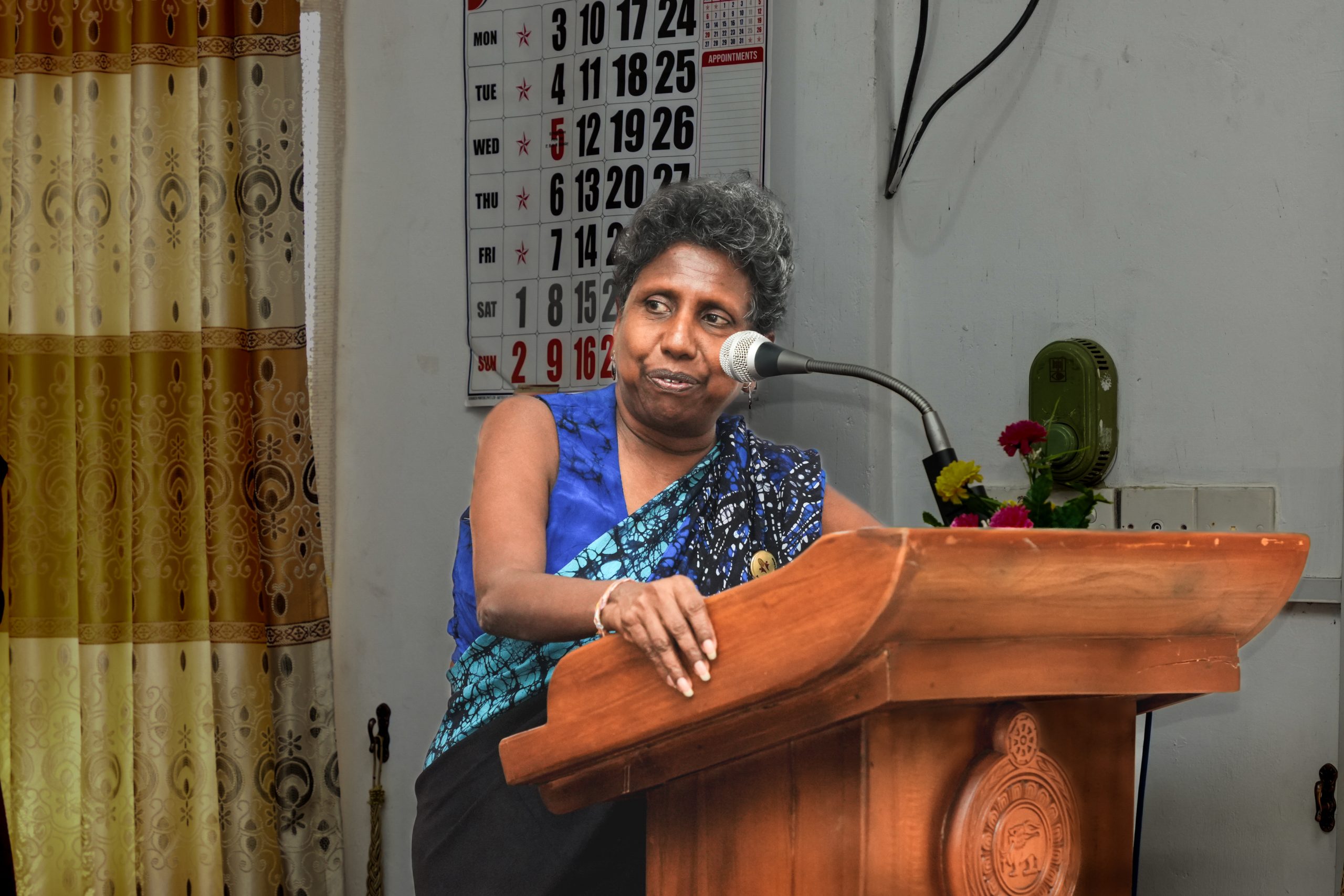
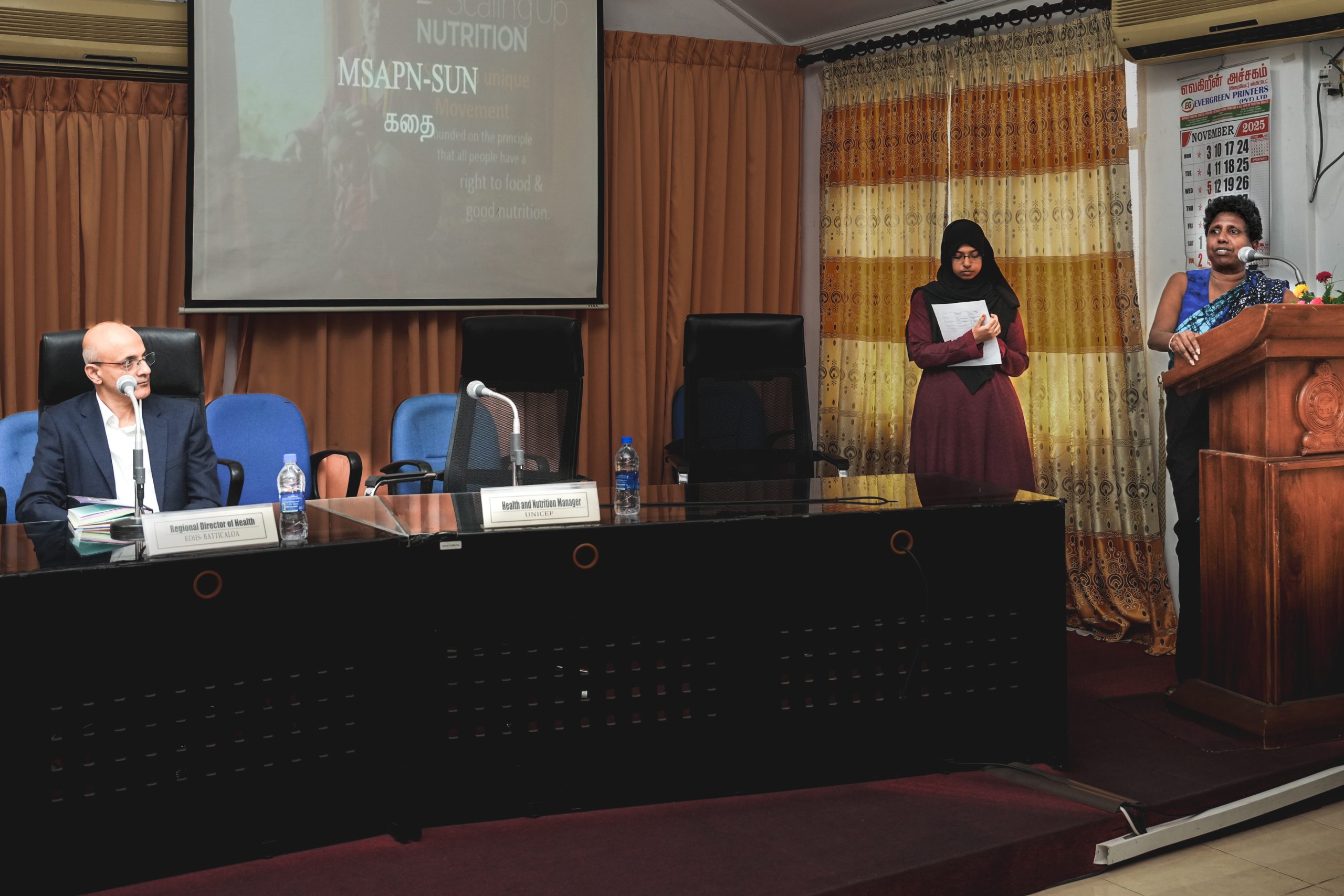
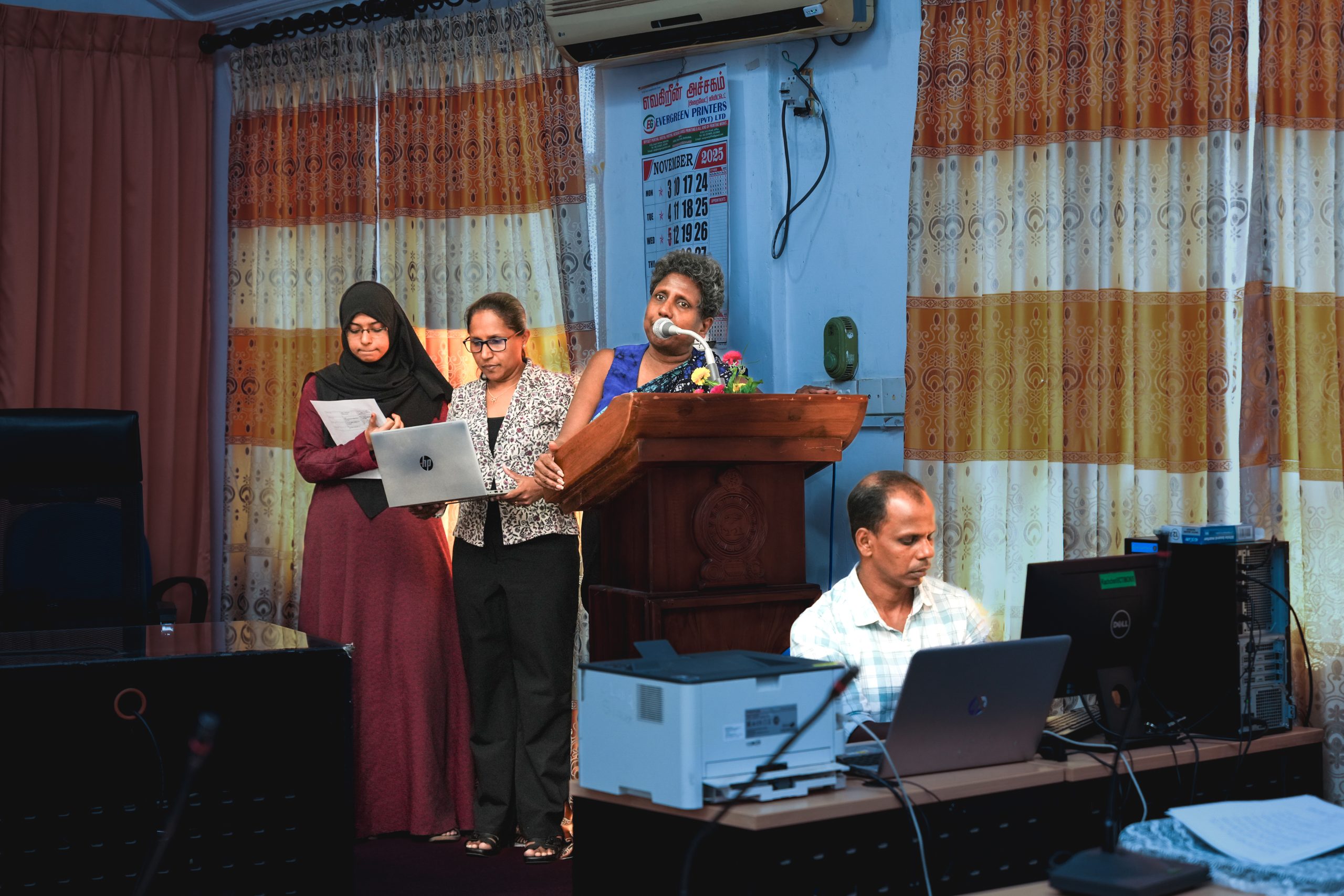
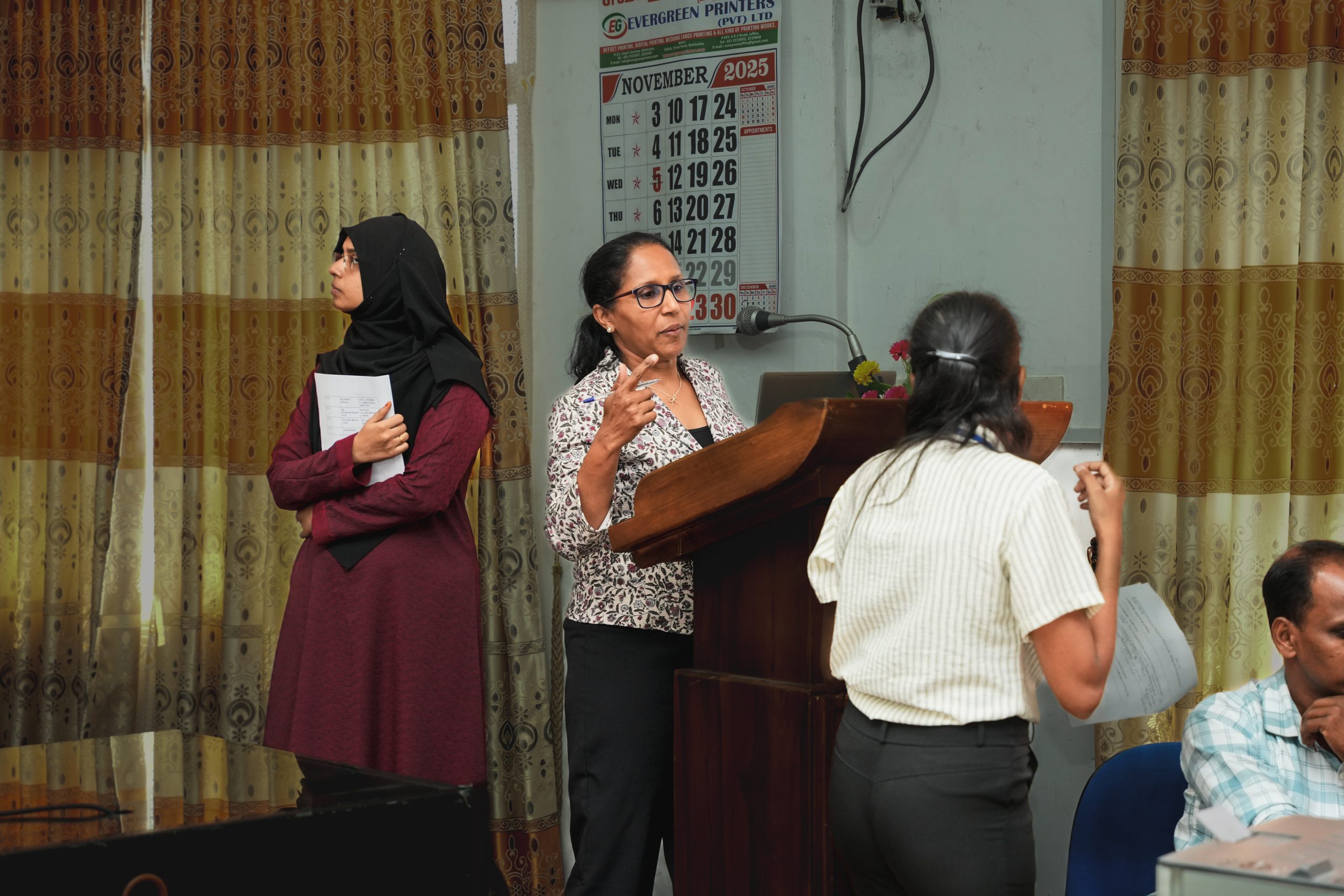
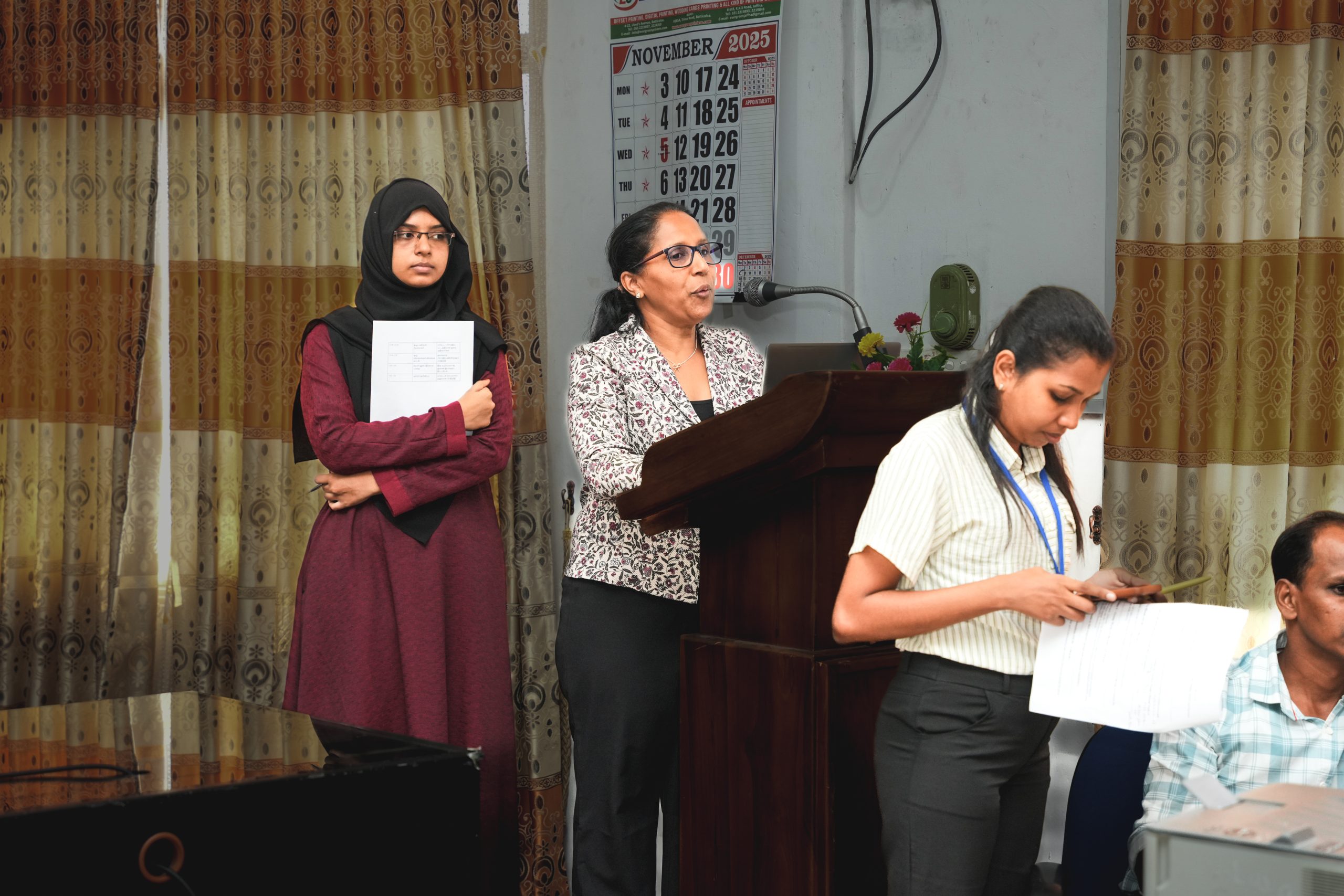
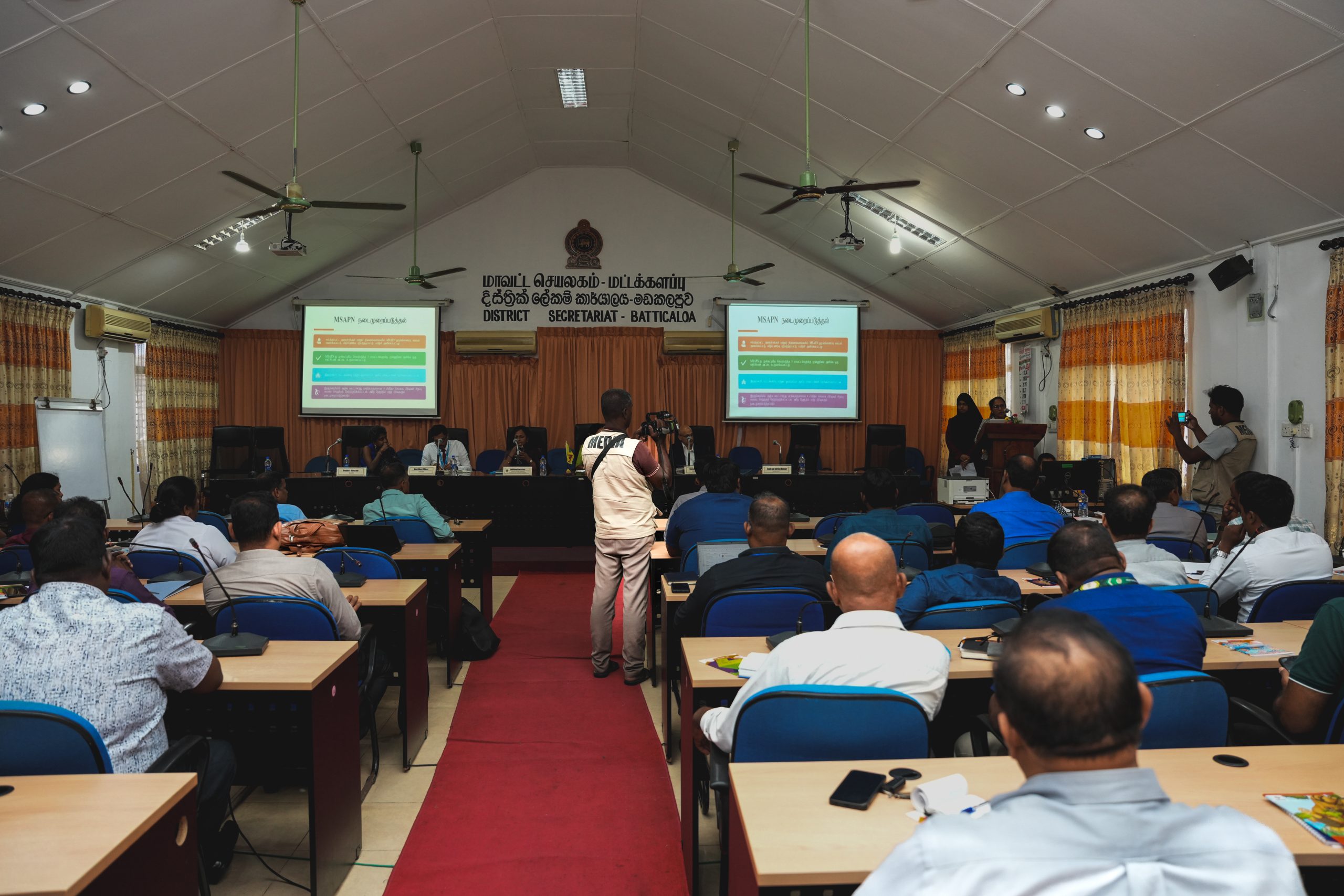
A post internal assessment meeting was conducted to review progress, challenges, and next steps for the implementation of the Multi-Sectoral Action Plan for Nutrition (MSAPN) in Batticaloa District. The discussion focused on strengthening civil society coordination, district-level planning, capacity development, financing alignment, and evidence-based follow-up actions for nutritionally at-risk (NAR) populations.
Key Discussion Areas
1. Strengthening CSO Coordination
Civil society engagement will be streamlined through coordination led by the SUN People’s Forum (SUNPF). Support will be provided to strengthen inter-district communication, improve information sharing, and develop concise summary briefs on ongoing interventions. An Annual Action Plan (AAP) aligned with MSAPN 2025–2030 will be prepared.
2. District-Level Planning & Field Engagement
Field visits will be undertaken to validate concepts and collect data, with a minimum sample of 500 households, prioritizing NAR families. Visits will focus on household profiling and follow-up on home gardening, livelihoods, and nutrition-sensitive interventions. A framework for nutrition finance tagging and tracking will be developed to support resource mobilization and monitoring.
3. Training & Capacity Development
Capacity building for divisional and field-level officers will be led by SUNPF, with emphasis on cross-sector coordination and preparation of Family Development Plans.
4. Technical and Financial Coordination
It was clarified that no new budgets are required. Existing sectoral and local government programme budgets will be leveraged, with technical guidance and coordination support provided through MSAPN structures.
5. Nutrition-Specific Focus
A phased approach was agreed for priority population groups:
First 6 months: Children under five (wasting, stunting, underweight)
6–12 months: School-going children, adolescents, pregnant and lactating mothers
Beyond 1 year: Youth and young adults (15–35 years)
Nutrition-specific and nutrition-sensitive interventions will be tracked separately, supported by nutrition finance mapping.
6. Research & Follow-Up
Operational research and causal analysis will be conducted to understand persistent malnutrition and low service uptake. Over the next 3–6 months, district-level follow-up will focus on integrating existing programmes with MSAPN, identifying gaps, and improving coverage for NAR households. A district bulletin (1.5 pages) summarizing key outcomes will be prepared and shared.