Cyclone Ditwah Emergency Response
Phase II Recovery Programme
|
Implemented by: SUN PF Sri Lanka
1. Context & Programme Overview
In the immediate aftermath of Cyclone Ditwah, hundreds of families across the central highlands and Uva province were displaced and accommodated in temporary Safety Centres. Pregnant women, lactating mothers, and children under five years of age were among the most vulnerable, facing immediate risks of acute nutritional deterioration due to disruption of routine food supplies and reliance on basic emergency grain rations.
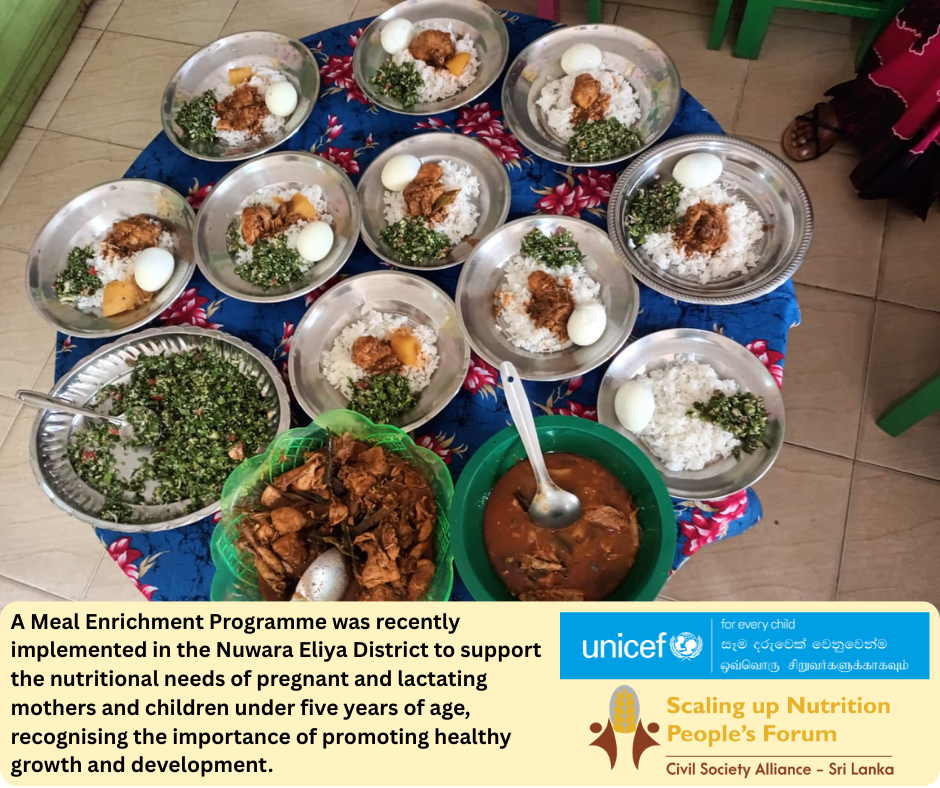
Recognizing the critical importance of early nutritional protection to safeguard child development and maternal health, Scaling Up Nutrition People’s Forum (SUN PF), with generous funding and technical guidance from UNICEF, launched the Meal Enrichment Programme in Safety Centers across Nuwara Eliya and Badulla districts under Phase II of the Emergency Recovery Programme.
2. Target Beneficiary Identification & Selected Centres
To ensure transparency and maximum impact, the Nuwara Eliya and Badulla District Secretariats were engaged from the inception. Safety Centres identified to remain operational for an extended recovery duration were selected in consultation with Divisional Secretaries, prioritizing locations with high concentrations of pregnant mothers, nursing mothers, and children under 5 years.
Safety Centres in Nuwara Eliya District
Safety Centres in Badulla District
3. Operational Arrangements & Field Coordination
Field management was decentralized to the District SUN CSO Coordinating Organization, which appointed dedicated Field Coordinators for each designated Safety Centre. Comprehensive virtual training sessions were conducted prior to implementation, focusing on:
- Specific micronutrient & macronutrient needs of pregnant/lactating mothers and under-5 children.
- National Food-Based Dietary Guidelines (FBDG) adapted for emergency settings.
- Stringent food safety, hygiene, and safe water sanitary protocols.
- Operational procedures for local ingredient procurement and monitoring.
4. Nutritional Recipes Developed (8-Day Cyclic Menu)
Meals were scientifically formulated to bridge common micronutrient gaps—especially Iron, Vitamin A, Calcium, and high-biological-value protein:
5. Active Community Participation & SBCC Integration
Rather than passively receiving aid, mothers and caregivers were directly engaged in safety-centre kitchens. This created an invaluable opportunity to conduct Social and Behaviour Change Communication (SBCC):
Teaching mothers how to prepare balanced, nutrient-dense One-Dish Meals using affordable and readily available local crops.
Disseminating vital counselling to protect exclusive breastfeeding and prevent premature introduction of unhygienic formula.
Displaying multilingual posters and briefing centre managers on UNICEF’s Policy of Protection from Sexual Exploitation and Abuse.
6. Dry Ration Pack Distributions (Badulla District)
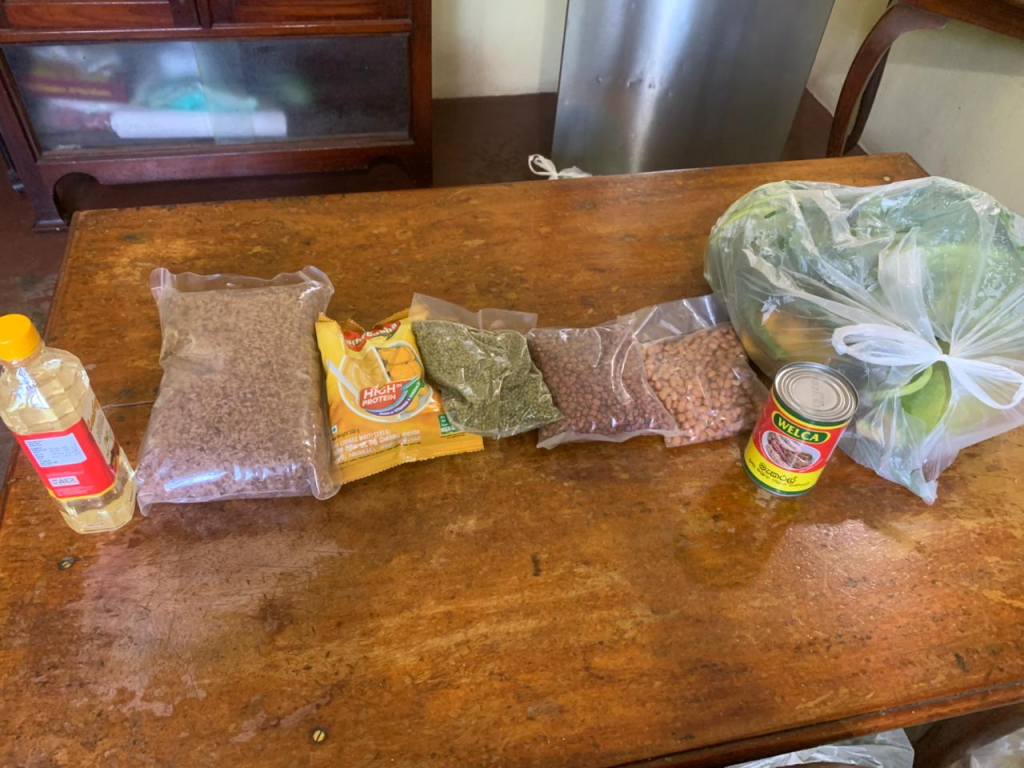
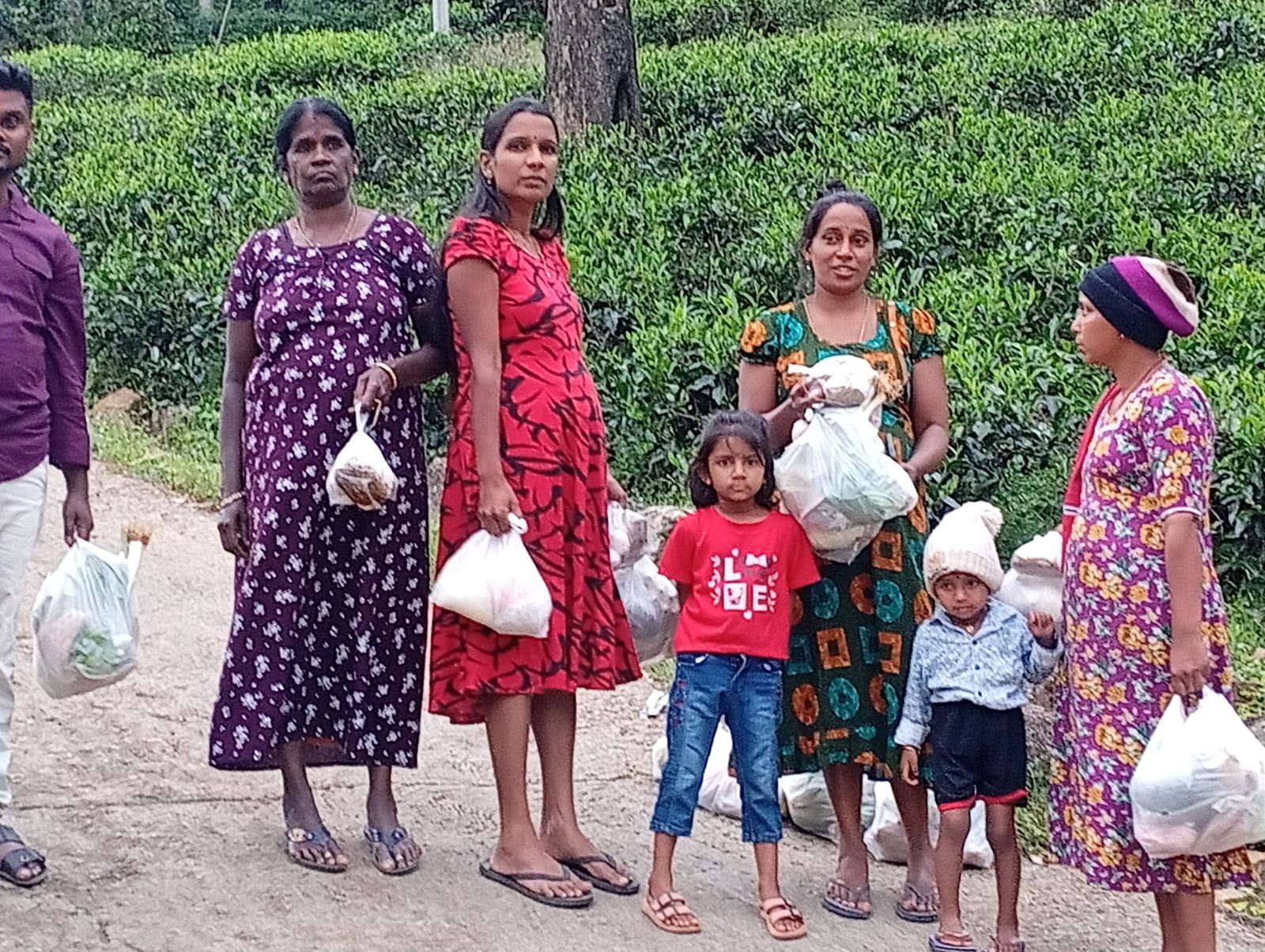
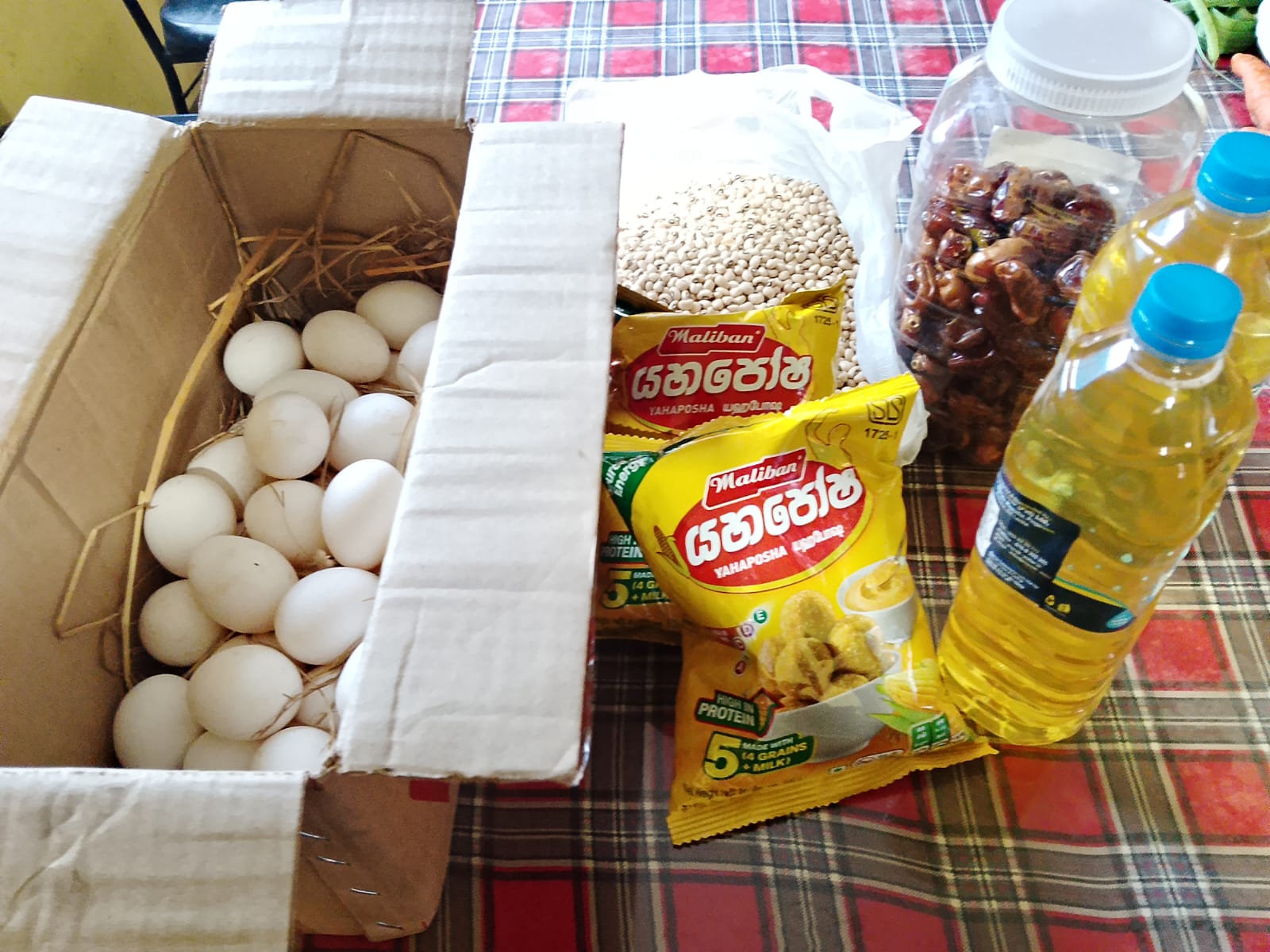
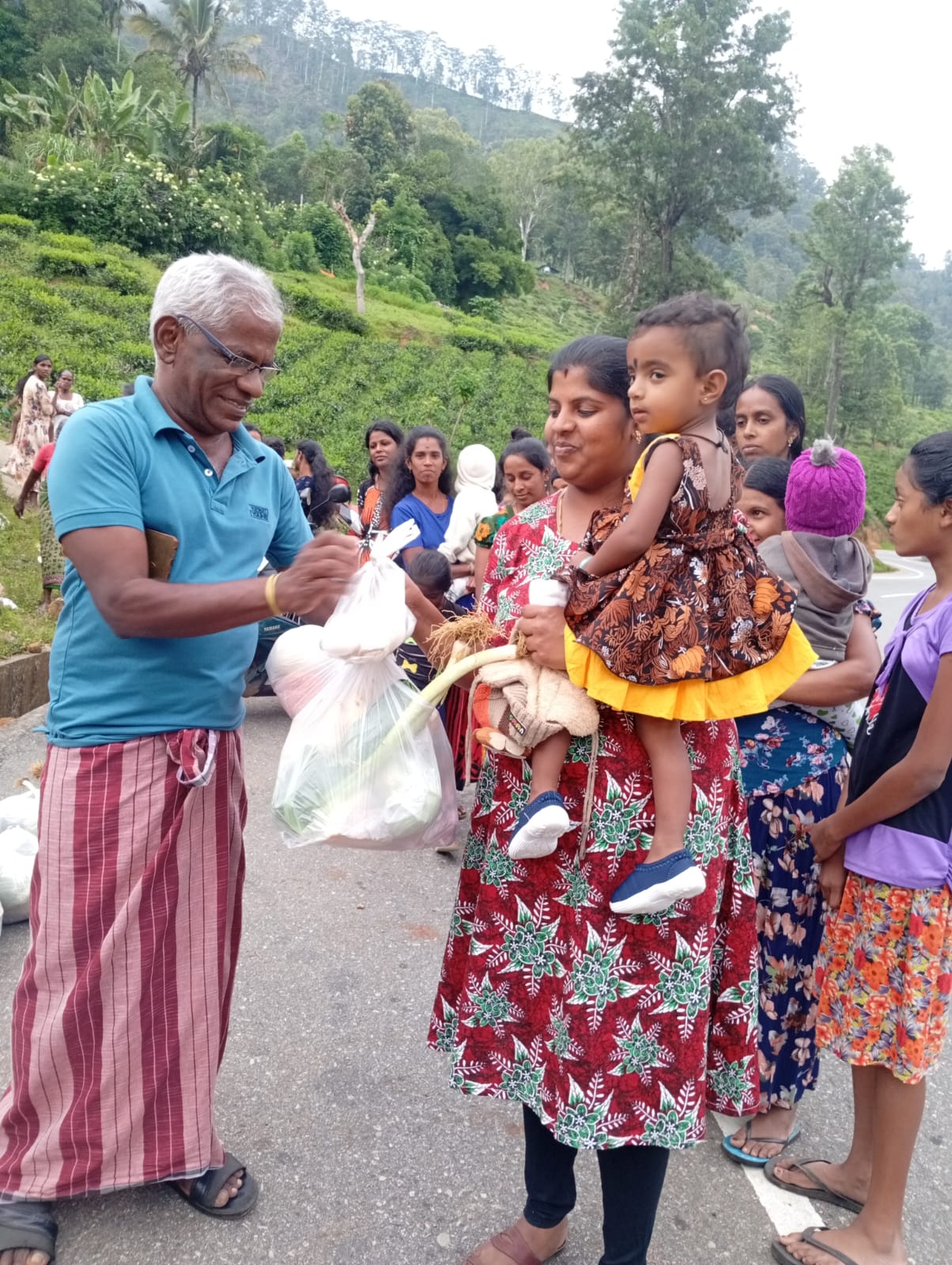
To ensure ongoing food security once families transitioned from immediate congregate cooking, 280 beneficiaries received comprehensive monthly food baskets for 3 consecutive months through the Badulla District SUN CSO Network:
10 Fresh Farm Eggs
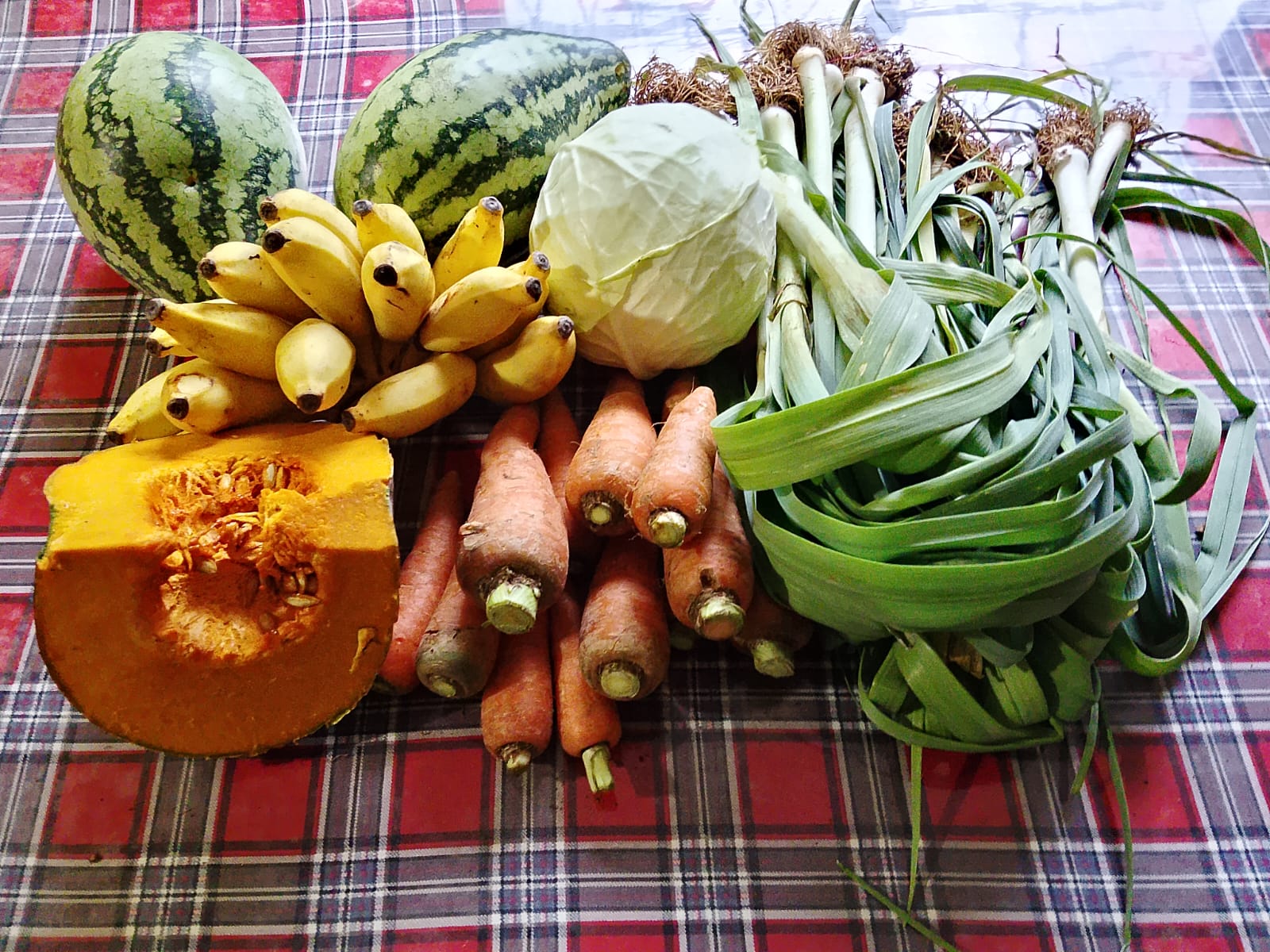
Fresh Veggies & Fruits (Cabbage, Leeks, Pumpkin, Bananas)
Cowpea (500g)
Pure Coconut Oil (1L)
Maliban Yahaposha & Dates
📸 Programme Gallery & Field Moments
Community Impact & Feedback
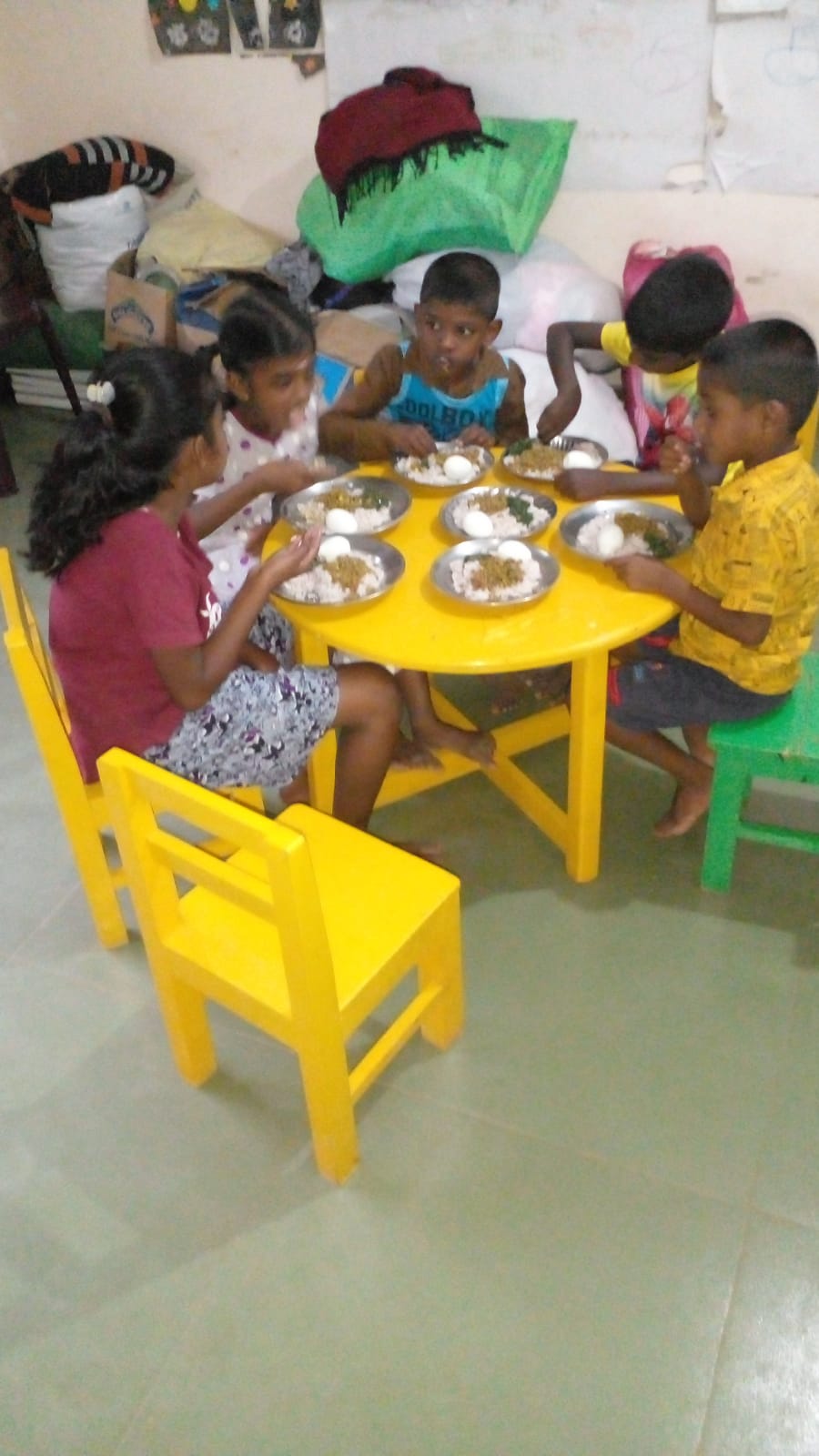
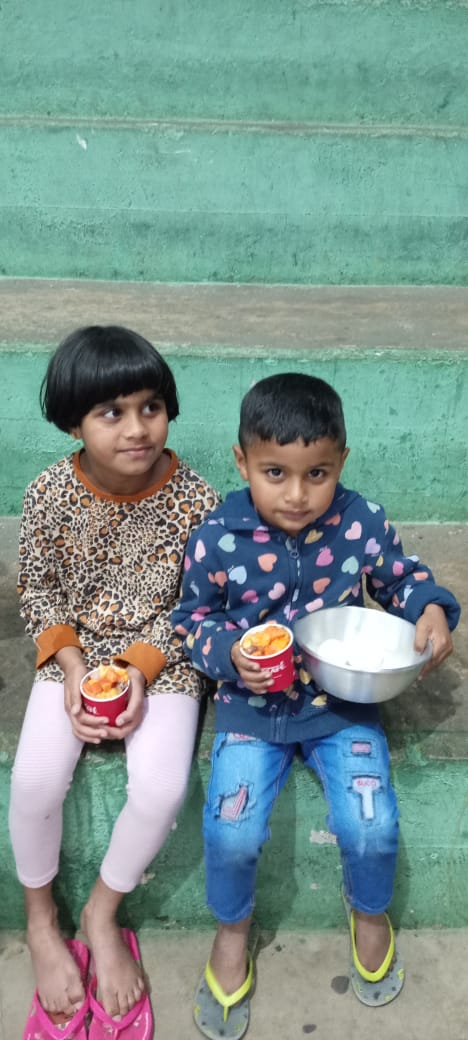
“The community expressed immense appreciation for the regular provision of fresh eggs, fruits, vegetables, and milk. Many families shared that they had not had access to any animal-source proteins since being displaced. Seeing their children regain energy and joy was the greatest outcome of this emergency response.”
SUN PF extends its sincere gratitude to UNICEF Sri Lanka, the District Secretariats of Nuwara Eliya and Badulla, the Divisional Secretaries, Ministry of Health officials, and our devoted CSO Field Coordinators for making this emergency intervention a life-saving success.